
Articles
In-depth reads on chemicals, industries, and export markets from the Egyptian Chemicals Hub team.
Coatings and corrosion protection · October 24, 2026
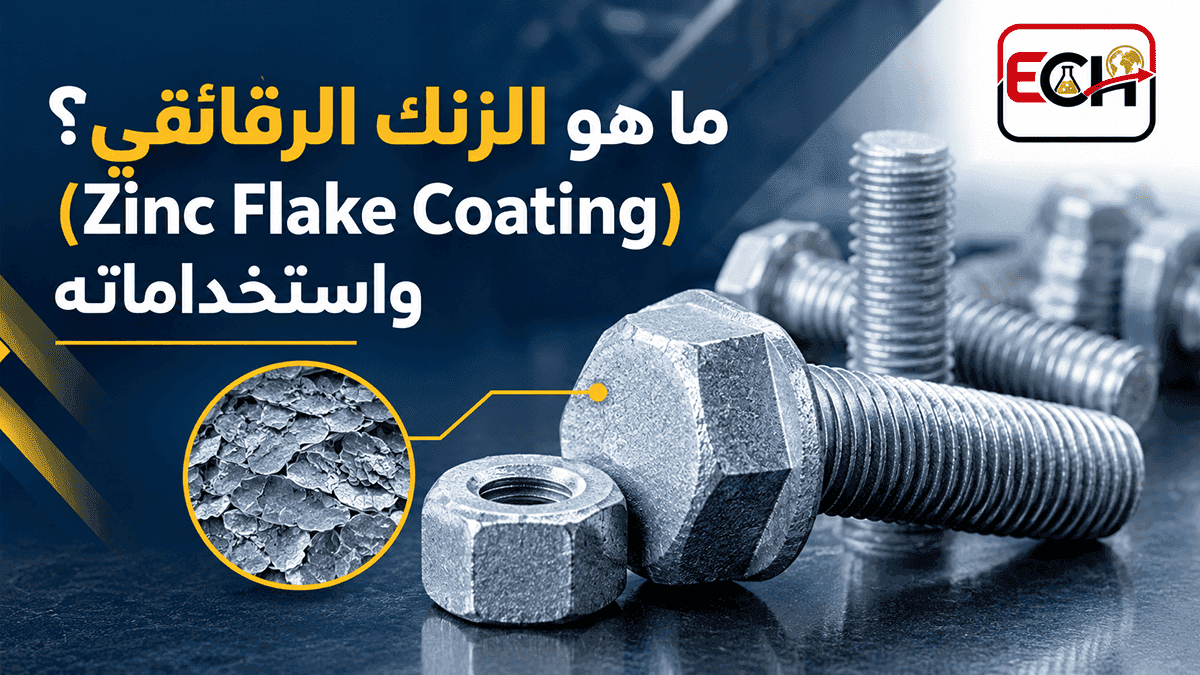
What is zinc flake coating, and why is it preferred for automotive bolts and screws?
Zinc flake coating is a non-electrolytic system that bonds zinc and aluminum flakes in an inorganic binder and is then baked. The article explains its composition and application, why it suits high-strength parts, and when it is preferable to electroplating and hot-dip galvanizing.
Water treatment · October 24, 2026
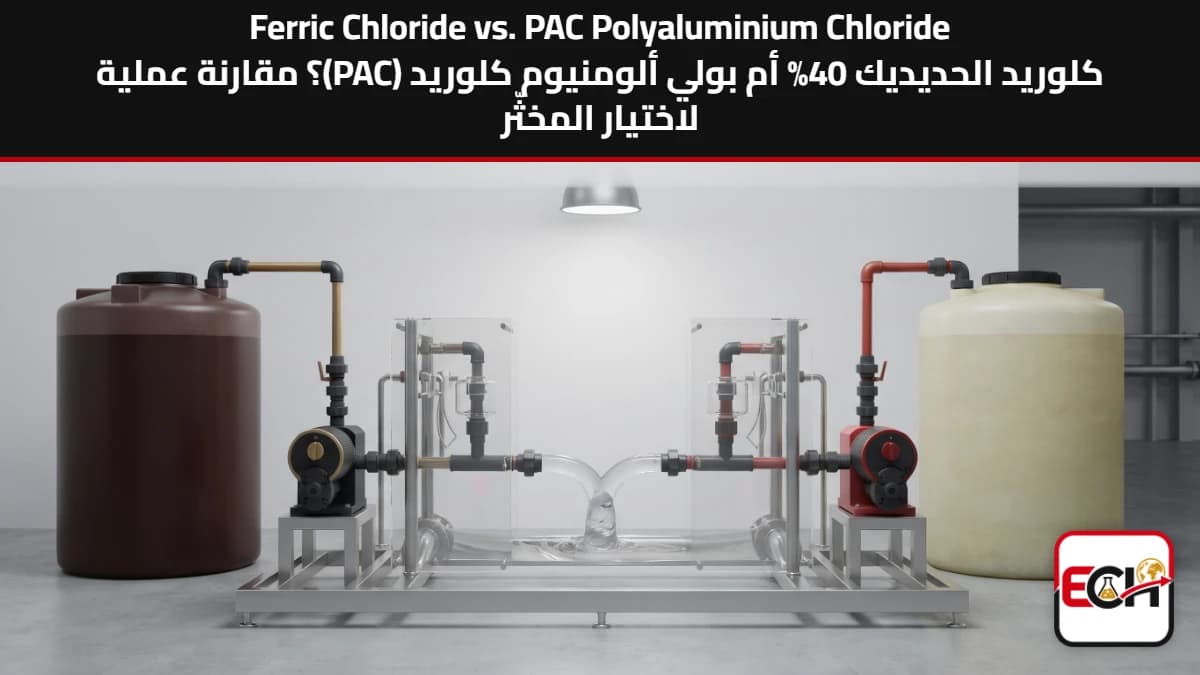
Iron(III) chloride 40% or polyaluminum chloride (PAC)? A practical comparison for choosing a coagulant
A balanced comparison of 40% iron(III) chloride solution and polyaluminum chloride (PAC 18%) on pH, alkalinity, temperature, residual metal, sulfide and handling. It shows when the choice leans towards each, and why the jar test remains the deciding factor.

Coatings and corrosion protection · October 24, 2026
Salt Spray Test and Corrosion-Resistance Standards for Zinc Flake Coatings
How the neutral salt spray test works under ISO 9227 and ASTM B117, what its limits are, and how requirements for zinc flake coatings on fasteners are set under ISO 10683. A practical guide to reading a test report and the questions worth asking the supplier.
Water treatment · October 20, 2026
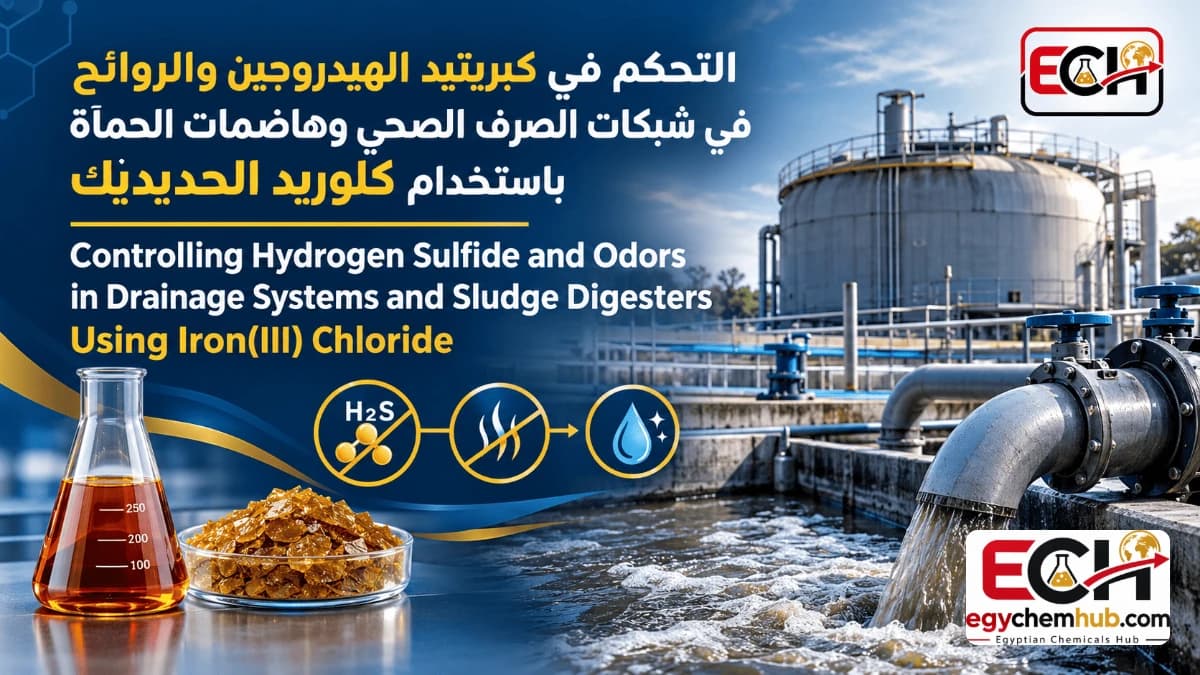
Controlling hydrogen sulfide and odors in sewer networks and sludge digesters with iron(III) chloride
The article explains how hydrogen sulfide forms in sewer networks and sludge digesters, and how iron(III) chloride binds it as elemental sulfur and insoluble iron sulfide. It covers common dosing points, accompanying benefits, side effects and safety precautions, and how plants set the dose through measurement and field trials.
Water Treatment · October 20, 2026
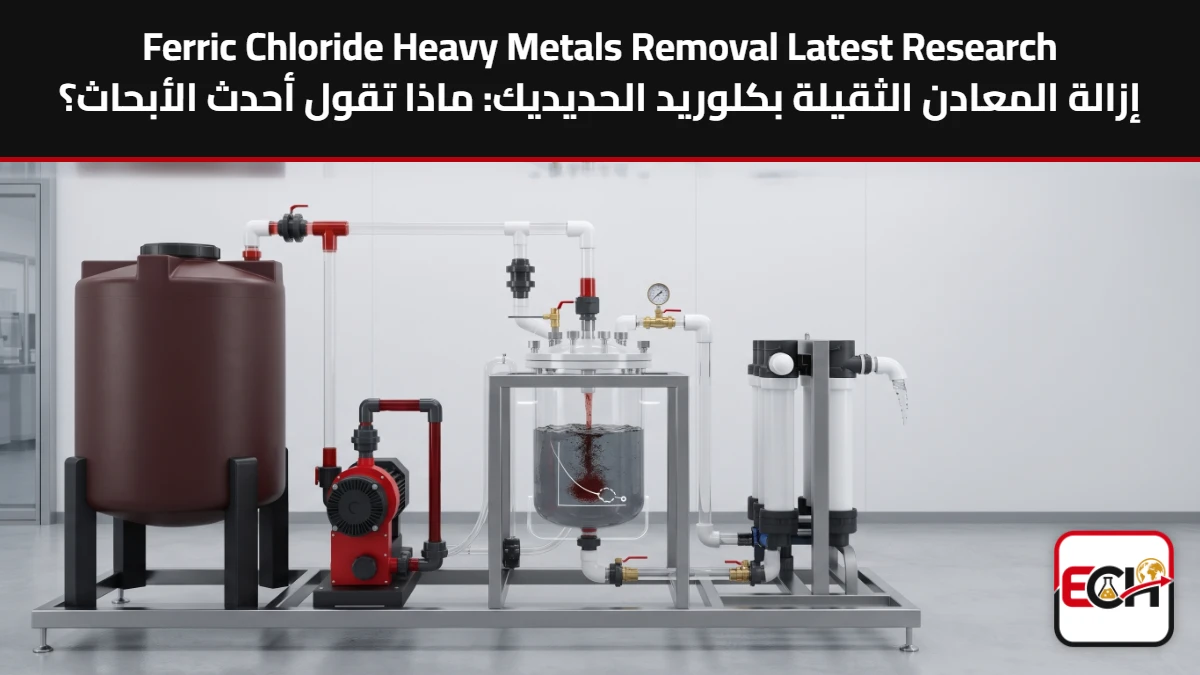
Removing Heavy Metals with Iron(III) Chloride: What Does the Latest Research Say?
This article reviews research published between 2023 and 2026 on the removal of heavy metals using iron(III) chloride, and outlines the mechanism, pH ranges, and dosages reported in the studies. It also discusses practical limitations—ranging from competing ions and sludge to residual iron—and briefly compares this method with alum and lime.
Water Treatment · October 11, 2026
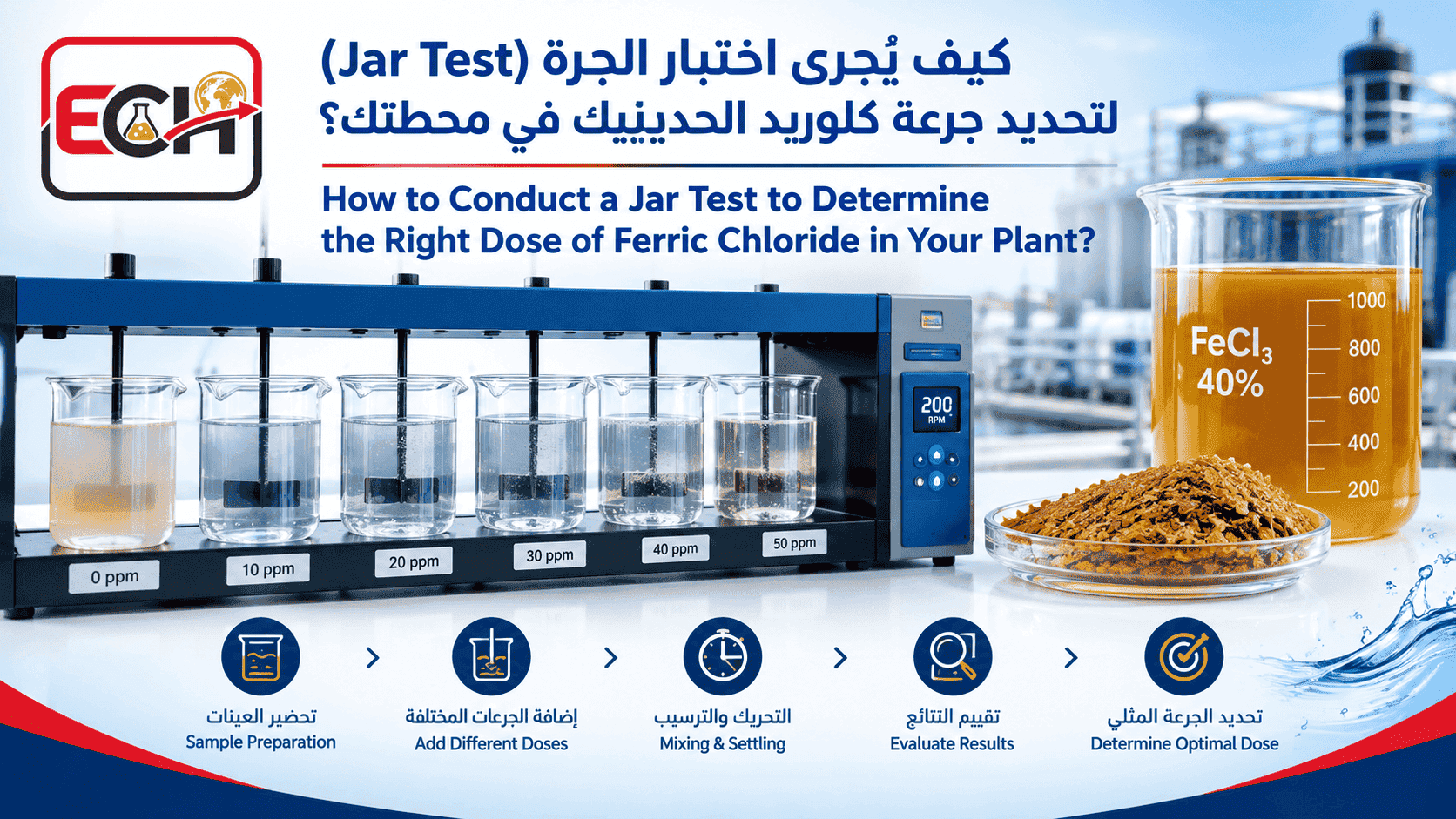
How is the jar test conducted to determine the iron(III) chloride dosage at your plant?
A practical, step-by-step guide to running a jar test on your plant's water: preparing the stock solution, designing the dose series, mixing and settling conditions, what is measured, and how the results are read. It ends with cautions on moving from the laboratory to actual operation.
Water Treatment · October 11, 2026
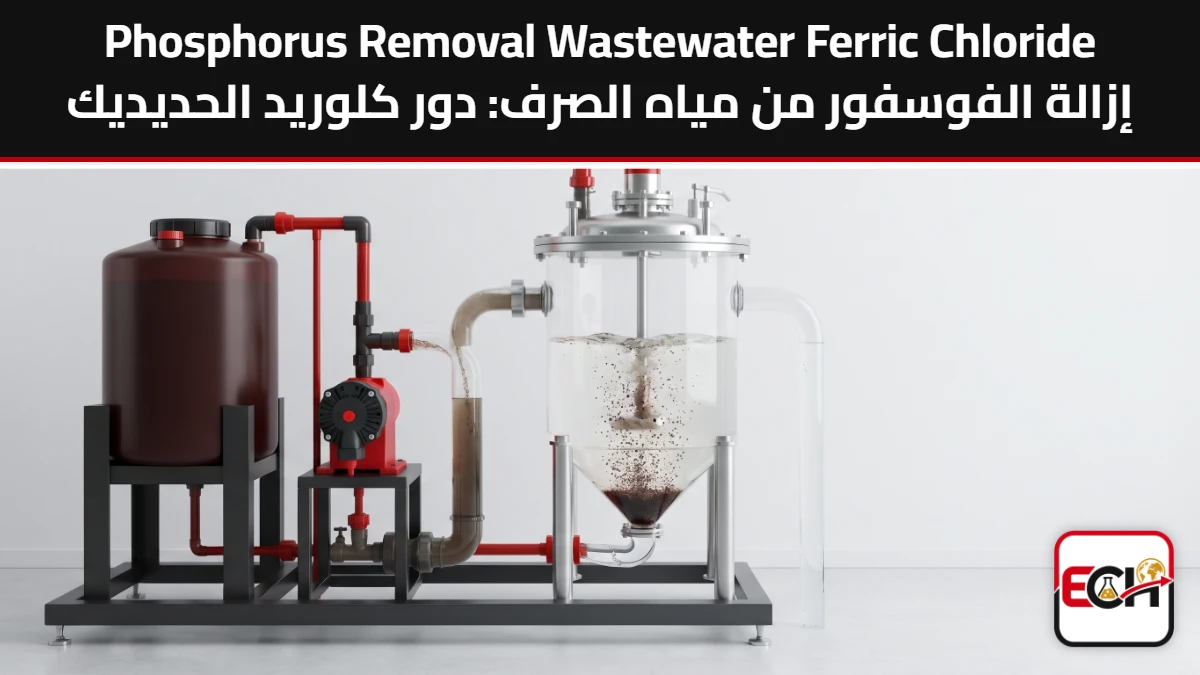
Phosphorus Removal from Wastewater: The Role of Iron(III) Chloride
The article explains why legislation sets limits on phosphorus in wastewater, how ferric chloride chemically removes it, where it is added in the treatment plant, and how to interpret the iron-to-phosphorus ratio. It also illustrates the effect of this addition on alkalinity, pH, and sludge, and briefly compares it to biological removal.

Electronics · October 11, 2026
Etching Printed Circuit Boards (PCBs) with Iron(III) Chloride: How Does It Work, and How Are Spent Solutions Managed?
The article explains the chemistry of dissolving copper with iron(III) chloride in etching printed circuit boards, and what controls the etching speed and undercut. It then shows how the solution becomes exhausted, the options for recovering copper and regenerating the solution, and the general framework for disposal and safety precautions.
Safety and Storage · October 11, 2026
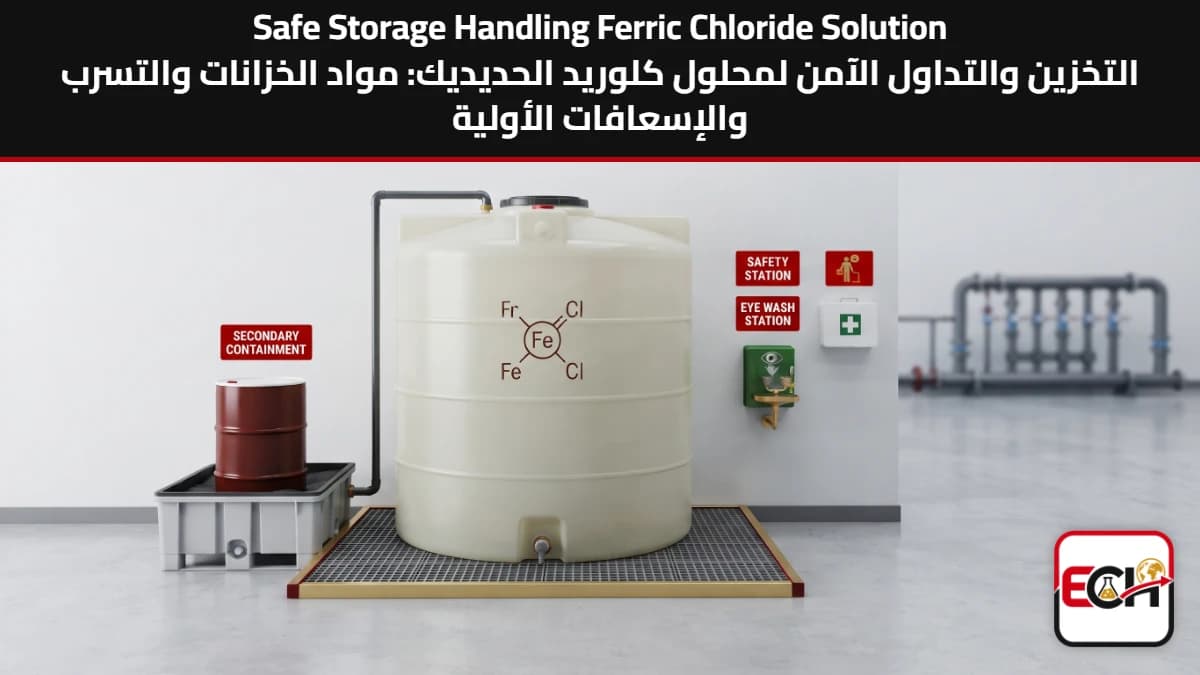
Safe Storage and Handling of Iron(III) Chloride Solution: Tank Materials, Leaks, and First Aid
A practical guide for safety officers, plant operators, and purchasers on the hazards of 40% ferric chloride solution and how to store and transport it safely. It covers protective equipment, tank and piping materials, incompatible substances, leaks, first aid, and transportation classification.
Water Treatment · October 10, 2026
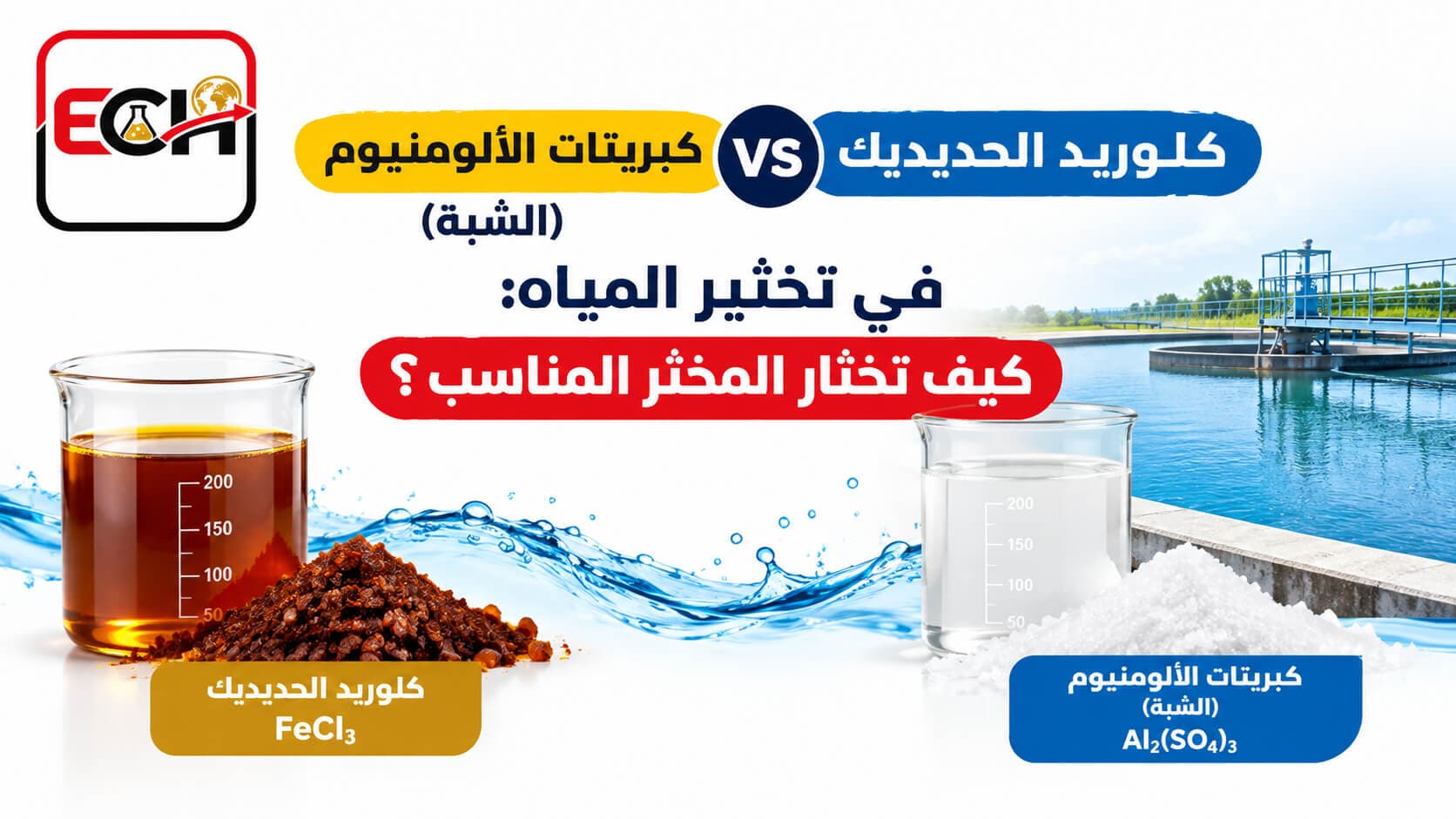
Iron(III) Chloride vs. Aluminum Sulfate (Alum) in Water Coagulation: How Do You Choose the Right Coagulant?
A comparative analysis of iron(III) chloride and aluminum sulfate (alum) in terms of pH range, alkali consumption, sludge production, corrosion, and operational requirements. Helps water plant operators and buyers make an informed selection decision before the jar test.
Water Treatment · October 6, 2026
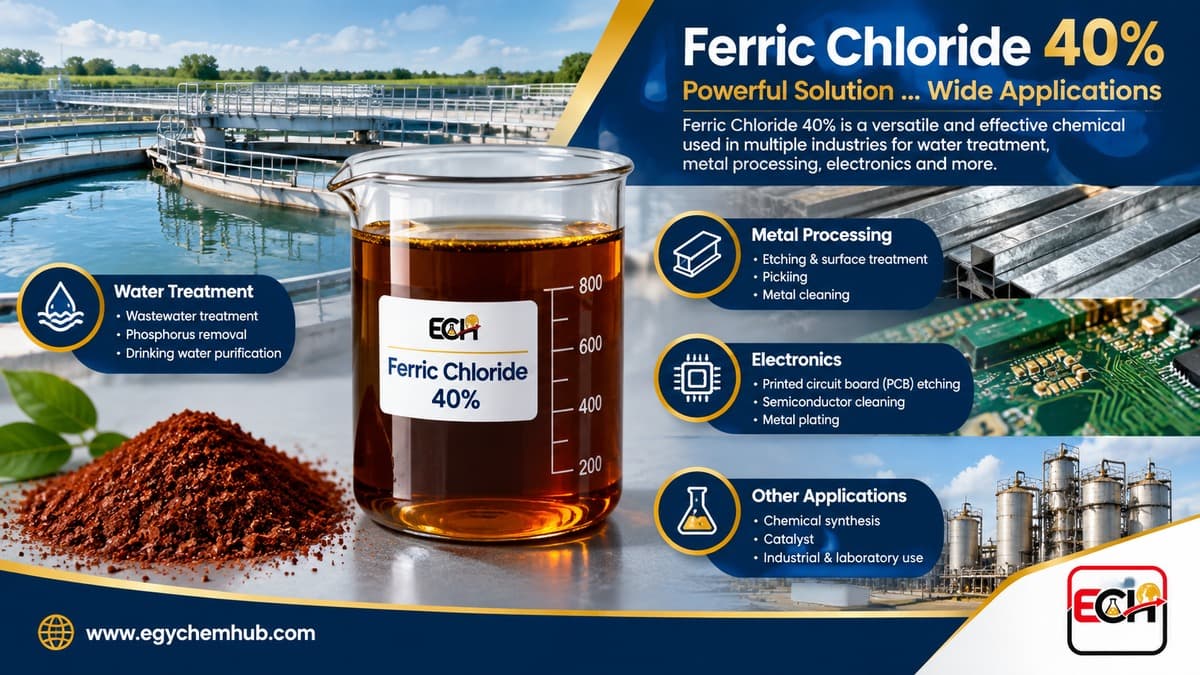
Iron(III) Chloride 40%: Properties and Industrial and Environmental Uses
Iron(III) chloride 40% is one of the most important inorganic chemical compounds in the world; the water treatment sector alone accounts for more than 80% of global production. In this article, we review its chemical properties, its most significant industrial and environmental uses, recommended dosages, and safety, storage, and transportation considerations.
Coatings and Corrosion Protection · October 5, 2026
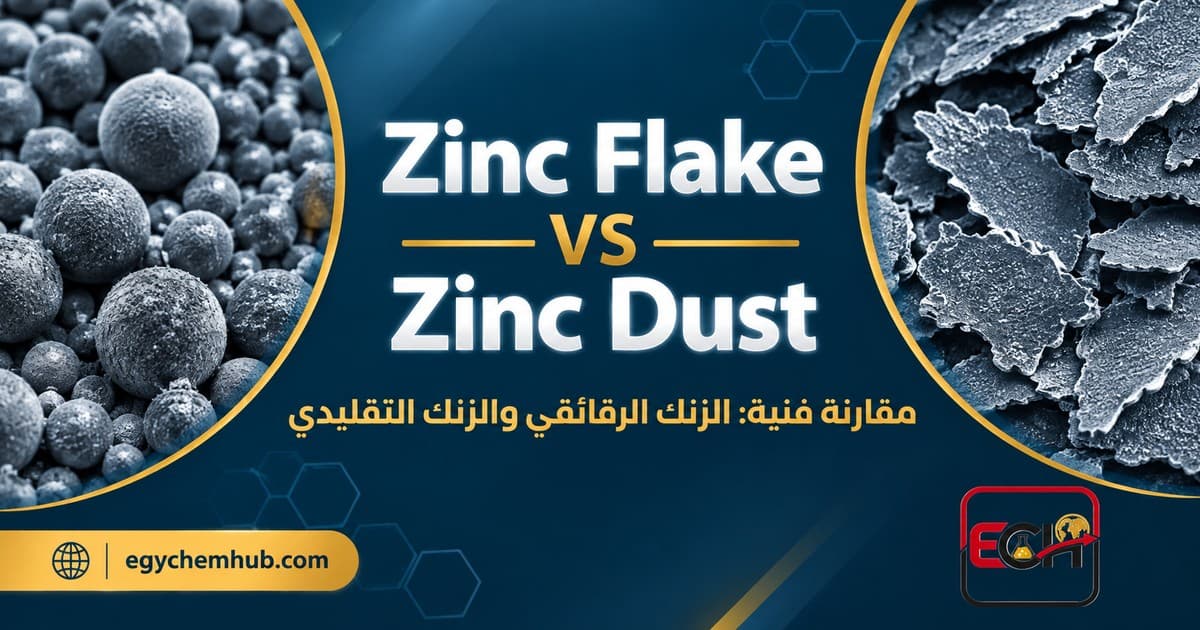
Flake Zinc Powder vs. Conventional Zinc: Why Is Low Density an Advantage Rather Than a Disadvantage?
This article provides a comprehensive technical comparison between flake zinc powder and conventional zinc powder (zinc dust), explaining how the low bulk density of flake zinc (1.15–1.20 kg/m³) becomes a real competitive advantage in anti-corrosion paint formulations, rather than a weakness.