What is zinc flake coating? And why is it preferred in car screws and bolts?
By فريق Egy Chem Hub
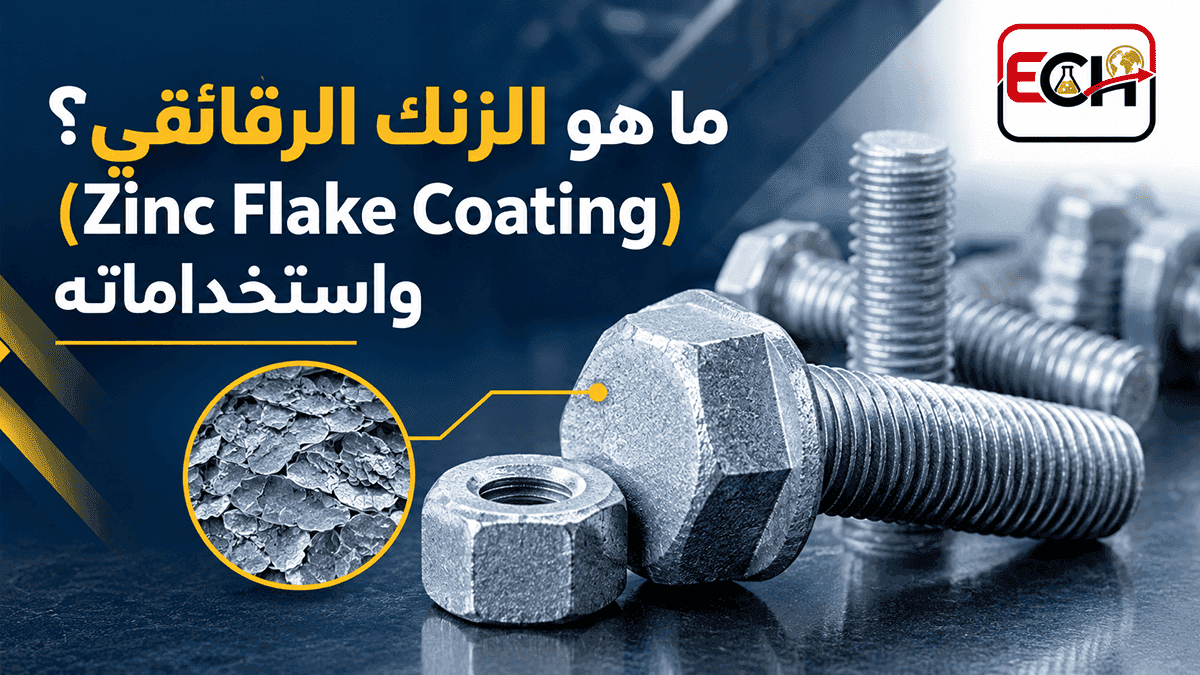
When manufacturing high-strength bolts for a car engine or chassis, it's not enough for them to withstand tension and vibration; they must also remain resistant to moisture and salt for years without corroding or breaking suddenly. This is where zinc flake coating emerges as a popular choice among bolt manufacturers, painters, and auto parts buyers. This article explains what it is, how it's applied, and what distinguishes it from electroplating and hot-dip galvanizing.
What is zinc foil coating?
It is a coating applied without electrolysis (non-electrolytic). It consists of thin flakes of zinc, often with aluminum foil, suspended in an inorganic binder. The mixture is applied as a liquid, like paint, and then baked under heat to harden into a layer that adheres to the steel.
The system is typically complemented by an optional topcoat. This topcoat adds properties such as controlling the coefficient of friction, resistance to certain chemicals, or improving appearance and thermal resistance.
How does this layer protect the steel?
Protection works through two mechanisms simultaneously:
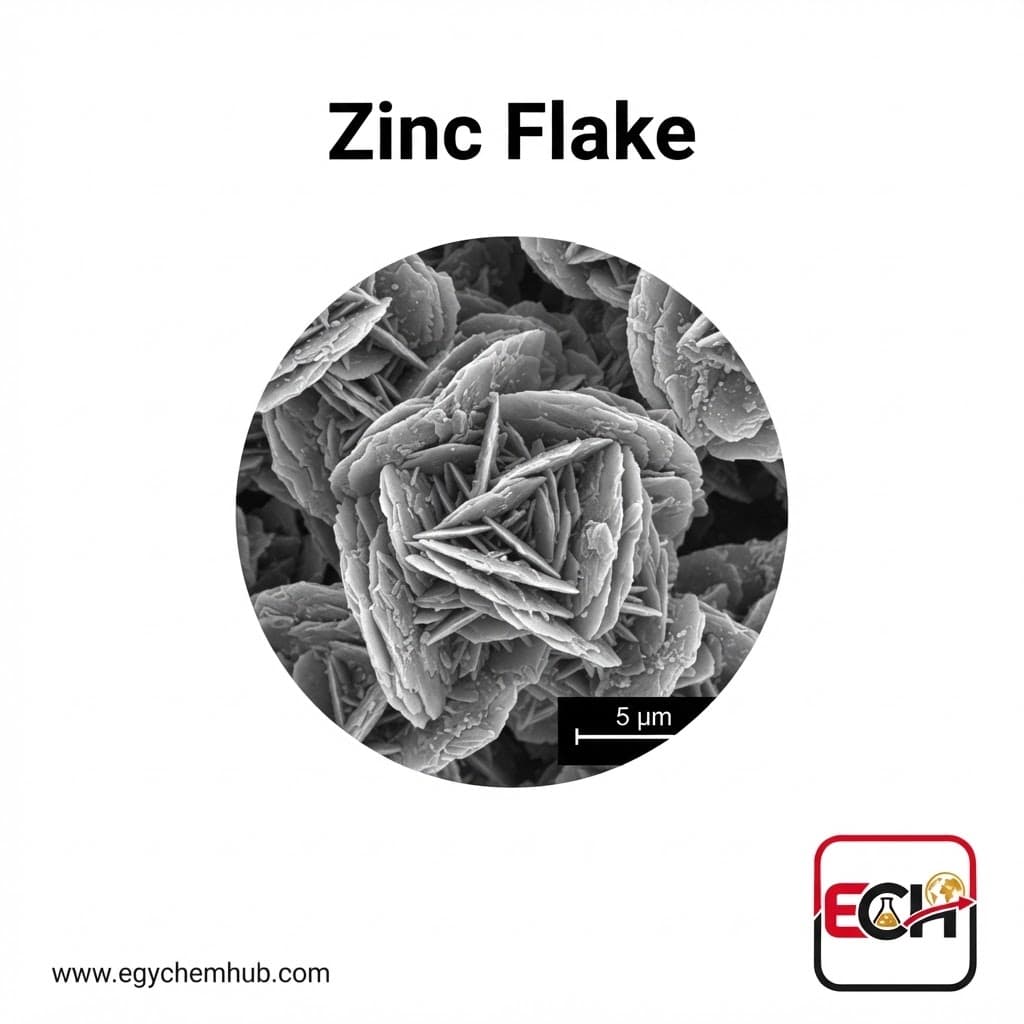
- Barrier protection: The foils are flat and stacked on top of each other like tiles, making the path of moisture and oxygen to the steel longer and more winding.
- Cathodic (sacrificing) protection: Zinc is more electrochemically active than steel, so it corrodes first, protecting the steel even when the coating is scratched. The foils touching each other make the coating electrically conductive.
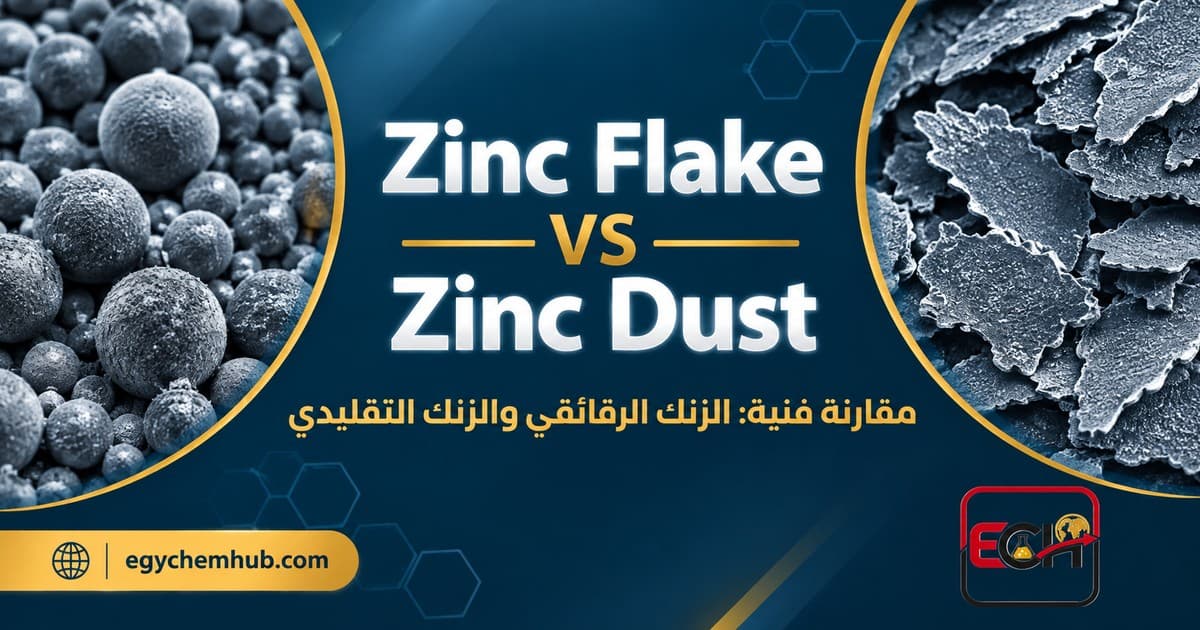
This combination of barrier and sacrificial protection explains why a very thin layer offers such good protection. As for comparing zinc foil powder to traditional zinc in terms of appearance and density, we covered that in a previous article and will not repeat it here.
How is it applied to nails and screws?
The details of each trading system vary depending on the manufacturer, but the general sequence is the same:
- Preparation: Clean the parts of oils and rust using alkaline cleaning or solvent degreasing, followed by mechanical cleaning with shot blasting when necessary. Avoid acid cleaning (pickling) whenever possible, as it is a potential source of hydrogen in the steel, as will be discussed later.
- Application: In one of the common ways:
- Dip-spin: Small, loose parts are placed in a basket that is dipped in the liquid and then spun rapidly to expel the excess. This is the standard method for bulk screws and bolts.
- Spraying: Manually or mechanically, suitable for larger or irregular parts.
- Rack-mounted dips: For parts that are mounted on a rack instead of a basket.
- Baking (Curing): The parts are heated in an oven until the coating sets. The temperatures mentioned in the references range from about 180 to 320 °C depending on the system; solvent-based systems are often baked at 180–240 °C, and water-based systems at about 290–310 °C.
- Top layer (if required): Apply and bake according to system specifications.
In most systems, the thickness of the layer ranges between about 4 and 20 micrometers, depending on the system and the required specifications.
Why is it preferred in nails and screws?
1) Hydrogen is not introduced into the steel. In electroplating, hydrogen atoms are generated on the surface of the part and may penetrate the steel. In high-strength steel, this can lead to hydrogen embrittlement, i.e., sudden breakage under less than expected load. However, in zinc plating, there is no electroplating step, and no hydrogen is generated during deposition. Therefore, ISO 10683 specifies that these systems are used especially for high-strength bolts (1000 MPa and above) to avoid the risk of internal hydrogen embrittlement.
Practical note: This is true for the process itself, provided the preparation stage does not involve acid pickling or phosphating. The now-withdrawn ASTM F1136 standard stipulated that the risk of internal hydrogen corrosion was eliminated as long as the parts were not cleaned with acid or phosphate. Therefore, the buyer should check the preparation process, not just the coating.
2) A thin layer that preserves the threads. A thickness of a few micrometers allows the screws to often remain within standard thread tolerances (ISO 965), unlike thicker layers which require special thread management.
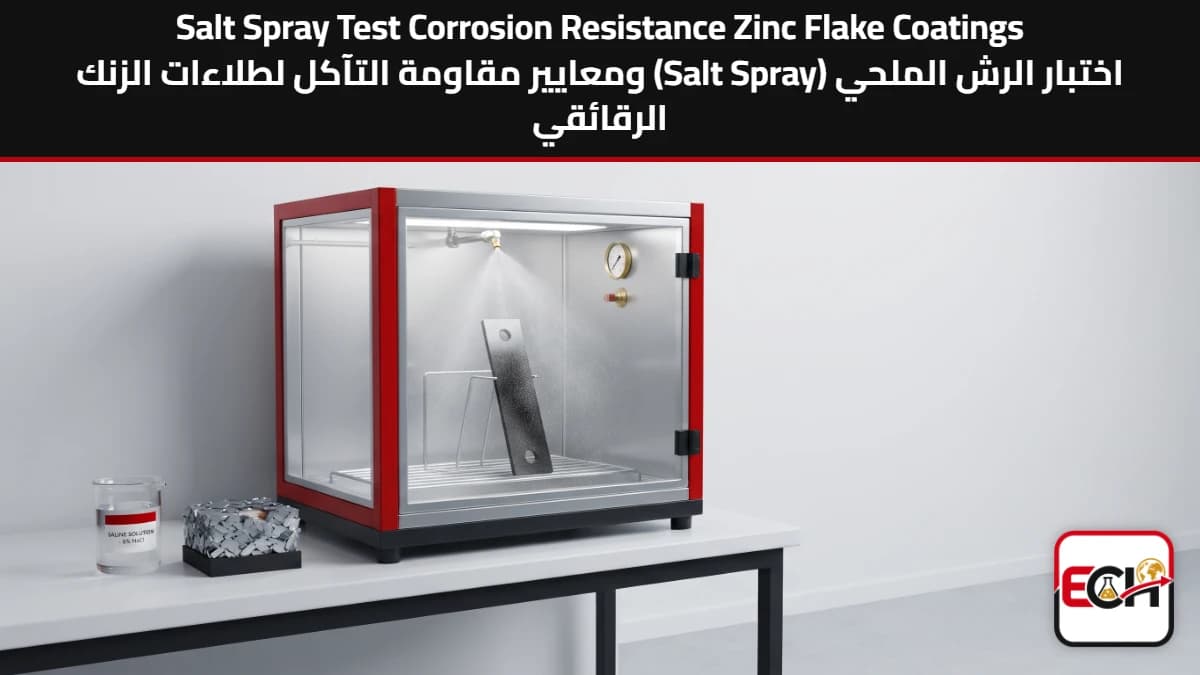
3) Good corrosion resistance. Manufacturers' documentation states times in the neutral salt spray test (ISO 9227) ranging from hundreds of hours to over 1000 hours before red rust appears, depending on the system, thickness, and topcoat, compared to approximately 96–200 hours for typical electroplated zinc. These are laboratory figures for comparison and are not actual service life; they do not replace project specifications.
4) No electrolytic baths. The application is based on dipping or spraying followed by baking, without electric current and without electroplating solutions.
5) Friction adjustment capability. The upper layers in some systems allow control of the coefficient of friction, which is important when tightening at a specific torque in car assembly lines.
6) Systems free of hexavalent chromium. Many modern systems are free of hexavalent chromium, but the standard itself includes systems with and without hexavalent chromium, so this must be explicitly stated in the purchase order.
A brief comparison with electroplating and hot-dip galvanizing
| Comparison point | Zinc electroplating | Hot-dip galvanizing | Zinc foil |
|---|---|---|---|
| Sedimentation method | Electrolysis in a bath | Dip into molten zinc | Liquid paint applied by dipping and extrusion or spraying, then baking |
| Hydrogen brittleness in high-strength steel | The danger is real, and the parts need adjusting and often baking to expel the hydrogen. | The main danger of acid pickling before dipping | No hydrogen is generated during precipitation, provided the preparation is acid-free. |
| Thickness and threads | It is defined by ISO 4042. | Much larger, and often requires larger threaded nuts after galvanizing | Thin (approximately 4–20 micrometers) and generally remains within ISO 965 tolerances. |
| Reference specification for stabilizers | ISO 4042 | ISO 10684 | ISO 10683 |
This doesn't mean that zinc plating is always the best option. Hot-dip galvanizing remains a viable choice when significant thickness is required, and electroplating is still used for less robust parts that aren't highly sensitive to hydrogen brittleness. The choice depends on the steel's strength, the service environment, and the assembly requirements.
What are the approved standards?
The international standard is ISO 10683:2018, entitled "Fixers: Non-electrically applied zinc foil coating systems." It has a European version, EN ISO 10683:2018. It includes the following:
- Coatings with and without hexavalent chrome, with or without a topcoat, with or without a lubricant.
- Screws, bolts, and nuts with ISO metric threads and other threads, and non-threaded parts such as rings, pins, and clips.
- Annex A provides information for design and assembly.
The specification excludes welding and paintability requirements, as well as mechanically applied zinc coatings.
Points that the buyer and the seller should ask
- Baking temperature versus tempering temperature: Baking at a temperature higher than the tempering temperature the steel has passed through may reduce the hardness of the heat-treated parts. Request confirmation that the baking schedule is appropriate for the bolt's mechanical class.
- Preparation process: Was acid pickling or phosphating used?
- The top layer system and coefficient of friction if the assembly is at a specific torque.
- Test reference: Salt spray according to ISO 9227, layer thickness, and specification as defined in the project.
- Hexavalent chromium: Is the system free of it?
Egy Chem Hub's role: Raw zinc flakes, not finished coatings
The product available on the website is zinc flake, a raw pigment powder purchased by paint and coating manufacturers (compounders) for use in their formulations. It is not a finished paint or a nail coating system. The binder, additives, topcoat, application method, and baking time are all the responsibility of the paint manufacturer.
What the technical data sheet mentions
According to data from Egy Chem Hub, and as per the product's Technical Data Sheet (TDS) as of the revised date of 10/11/2026, the typical characteristics are:
| Property | Value |
|---|---|
| Appearance | Gray powder |
| Shape | Flake |
| Average particle size | 5–10 micrometers |
| Total zinc | 98% minimum |
| Zinc metal | 94% minimum |
| Remaining on a 325 mesh (45 micrometer) sieve | Maximum 0.6% |
| Oil absorption | 12–15 grams per 100 grams |
| Humidity | 0.05% maximum |
| Specific gravity | 7.0–7.2 |
Origin: Egypt. The product is packaged in 25 kg bags: in lined polypropylene bags, or in 25 kg metal or plastic containers provided by the customer. The product information leaflet lists the following uses: corrosion-resistant paints, metal plating, chemical processes, and powder metallurgy. The leaflet is available upon request.
How do these characteristics relate to the topic of the article?
- The lamellar structure is the basis of the two mechanisms described above. The paper states that laminates have a wider contact area than spherical particles, which improves electrical conductivity and, consequently, corrosion resistance. It adds that the barrier effect is long-lasting, while cathodic protection is temporary. These are excerpts from the company's paper.
- Particle size and residue on the sieve: A value of 5–10 µm is an average only and does not describe the size distribution. The residue on a 45 µm sieve indicates the proportion of coarse particles in the powder, a standard typically found in zinc pigment specifications. The compounder determines through testing whether this particle size is suitable for their system, especially since the final coating thickness is thin (approximately 4–20 µm in most systems).
- Total and metallic zinc: These values are specified separately as minimum limits, as is customary in zinc pigment specifications. The composition of the non-metallic component is not detailed in this document.
- Oil absorption: A well-known indicator in the paint industry of the amount of binder (bonding agent) required by the pigment. The paper links laminate form to higher binder content in formulations with lower volumetric pigment concentrations. However, the actual binder requirement is determined by the compounder in its formulation.
- Moisture and specific gravity: Setting a maximum moisture content is important for storage and handling, as the material is sensitive to humidity according to safety data. Specific gravity, on the other hand, is factored into the weight and volume calculations within the composition.
The document lists other advantages of foil-based formulations, including: lower zinc content in the paint due to the higher bond strength, better edge and corner protection, flexibility, no blistering, a smooth surface, better adhesion, good overcoatability, low porosity and permeability, and a lower tendency to settling with easily stirred precipitate. These are statements from the company, according to the document, and are not supported by test results.
Important Note: This page does not include salt spray test results or mechanical tests for Egy Chem Hub products, nor does it claim specific performance for any coating manufactured from them. It also does not specify compatibility with particular bonding materials or suitability for a particular screw system. Coating performance is determined by the complete formulation, preparation, application, and curing process, and is verified by testing according to project specifications.
Handling Caution: According to the product information, zinc foil is a flammable solid. Its dust can form explosive mixtures with air. It is sensitive to moisture and water. Store in its original, sealed container in a cool, dry, well-ventilated place, away from acids, heat sources, and sparks. Avoid dust formation. Refer to the safety data sheet before use.
Summary
Zinc foil is a non-electrolytic, thin-film coating system that combines barrier and sacrificial protection. It does not introduce hydrogen into the steel during deposition, making it suitable for high-strength bolts in automobiles and machinery. Its success depends on selecting the appropriate system, adjusting the preparation, and achieving the correct baking temperature. To request a quote or technical specifications for zinc foil, contact the Egy Chem Hub team.