Articles
In-depth reads on chemicals, industries, and export markets from the Egyptian Chemicals Hub team.
Water treatment · October 24, 2026
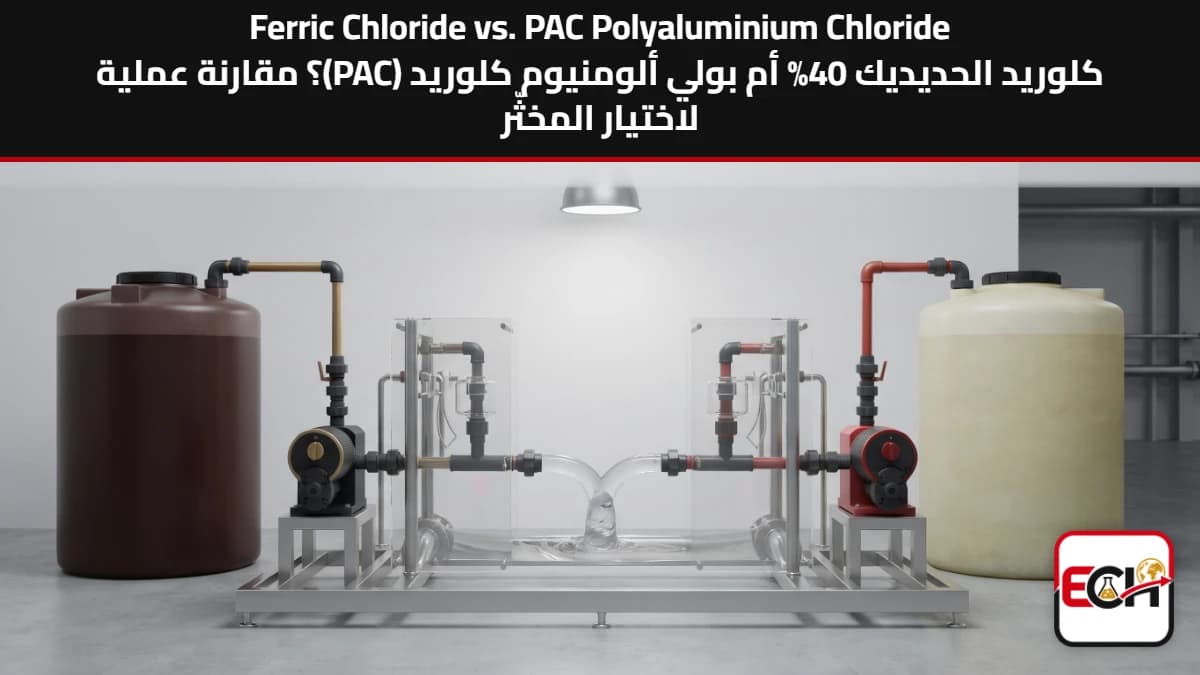
Iron(III) chloride 40% or polyaluminum chloride (PAC)? A practical comparison for coagulant selection
A balanced comparison between 40% iron(III) chloride solution and 18% polyaluminum chloride (PAC) in terms of pH, alkalinity, temperature, residual metal, sulfide, and handling. It illustrates when the choice is favored by each, and why the jar test remains the deciding factor.
Water treatment · October 20, 2026
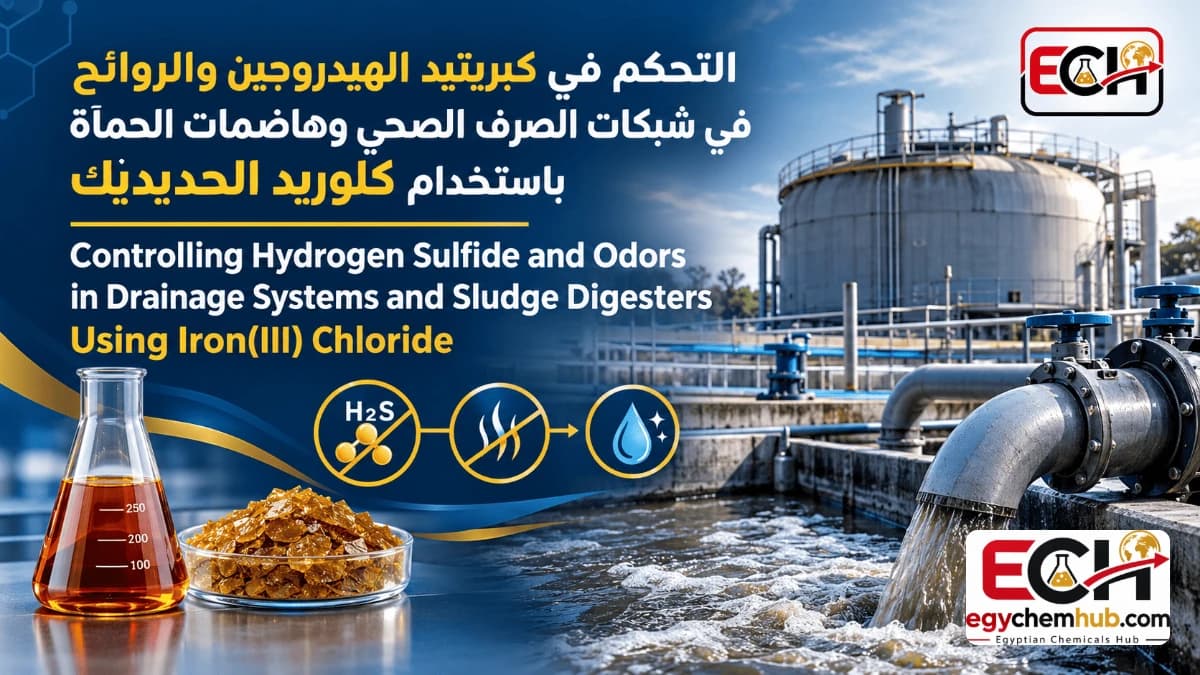
Controlling hydrogen sulfide and odors in drainage systems and sludge digesters using iron(III) chloride
The article explains how hydrogen sulfide forms in sewage systems and sludge digesters, and how it is bound by iron(III) chloride in the form of elemental sulfur and insoluble iron sulfide. It presents common application points, associated benefits, side effects, and safety precautions, and how treatment plants determine dosage through measurement and field trials.
Water Treatment · October 20, 2026
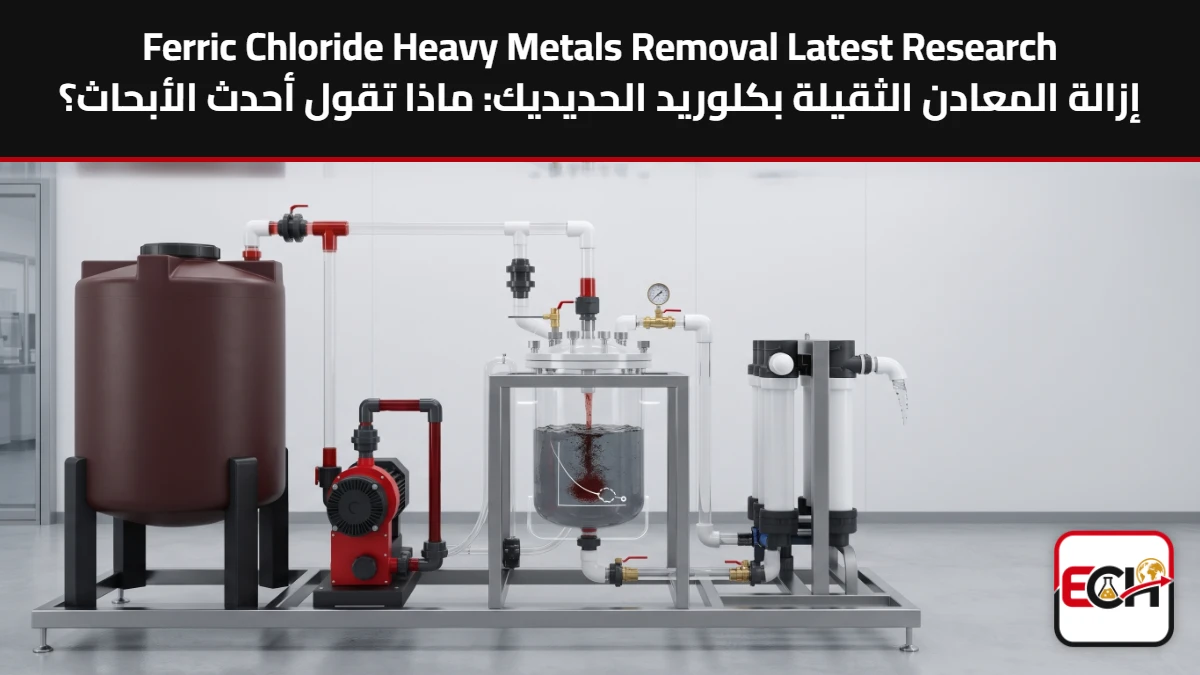
Removing Heavy Metals with Iron(III) Chloride: What Does the Latest Research Say?
This article reviews research published between 2023 and 2026 on the removal of heavy metals using iron(III) chloride, and outlines the mechanism, pH ranges, and dosages reported in the studies. It also discusses practical limitations—ranging from competing ions and sludge to residual iron—and briefly compares this method with alum and lime.
Water Treatment · October 11, 2026
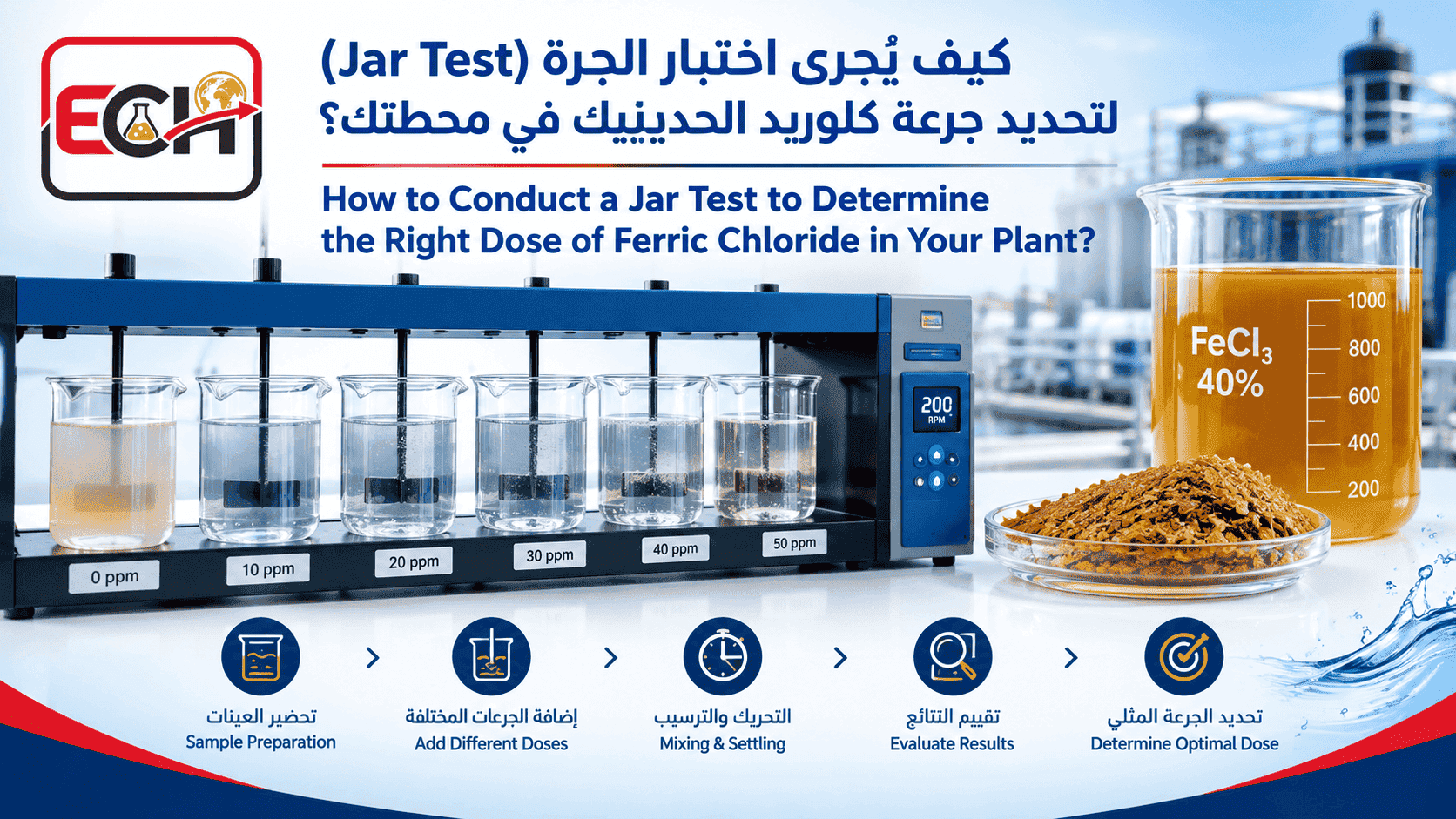
How is the jar test conducted to determine the iron(III) chloride dosage at your plant?
A practical, step-by-step guide to conducting a turbidity test on your plant’s water: preparing the stock solution, designing the dose series, mixing and settling conditions, what to measure, and how to interpret the results. It concludes with cautions regarding the transition from the laboratory to actual operation.
Water Treatment · October 11, 2026
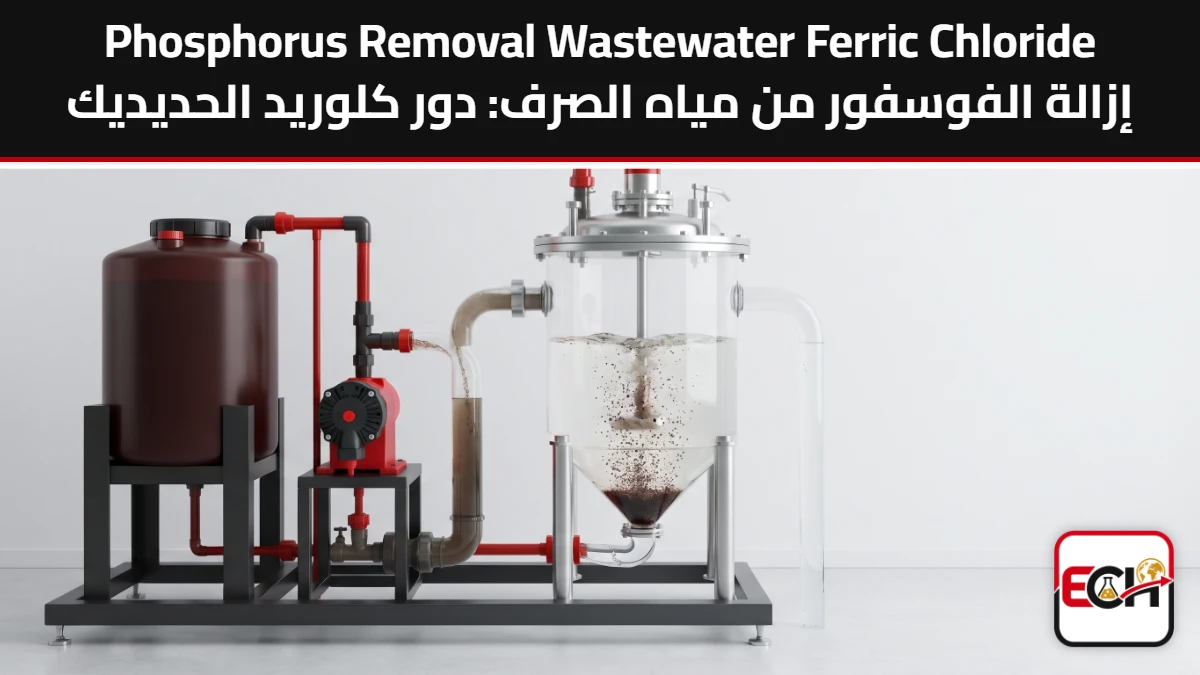
Phosphorus Removal from Wastewater: The Role of Iron(III) Chloride
The article explains why legislation sets limits on phosphorus in wastewater, how ferric chloride chemically removes it, where it is added in the treatment plant, and how to interpret the iron-to-phosphorus ratio. It also illustrates the effect of this addition on alkalinity, pH, and sludge, and briefly compares it to biological removal.
Water Treatment · October 10, 2026
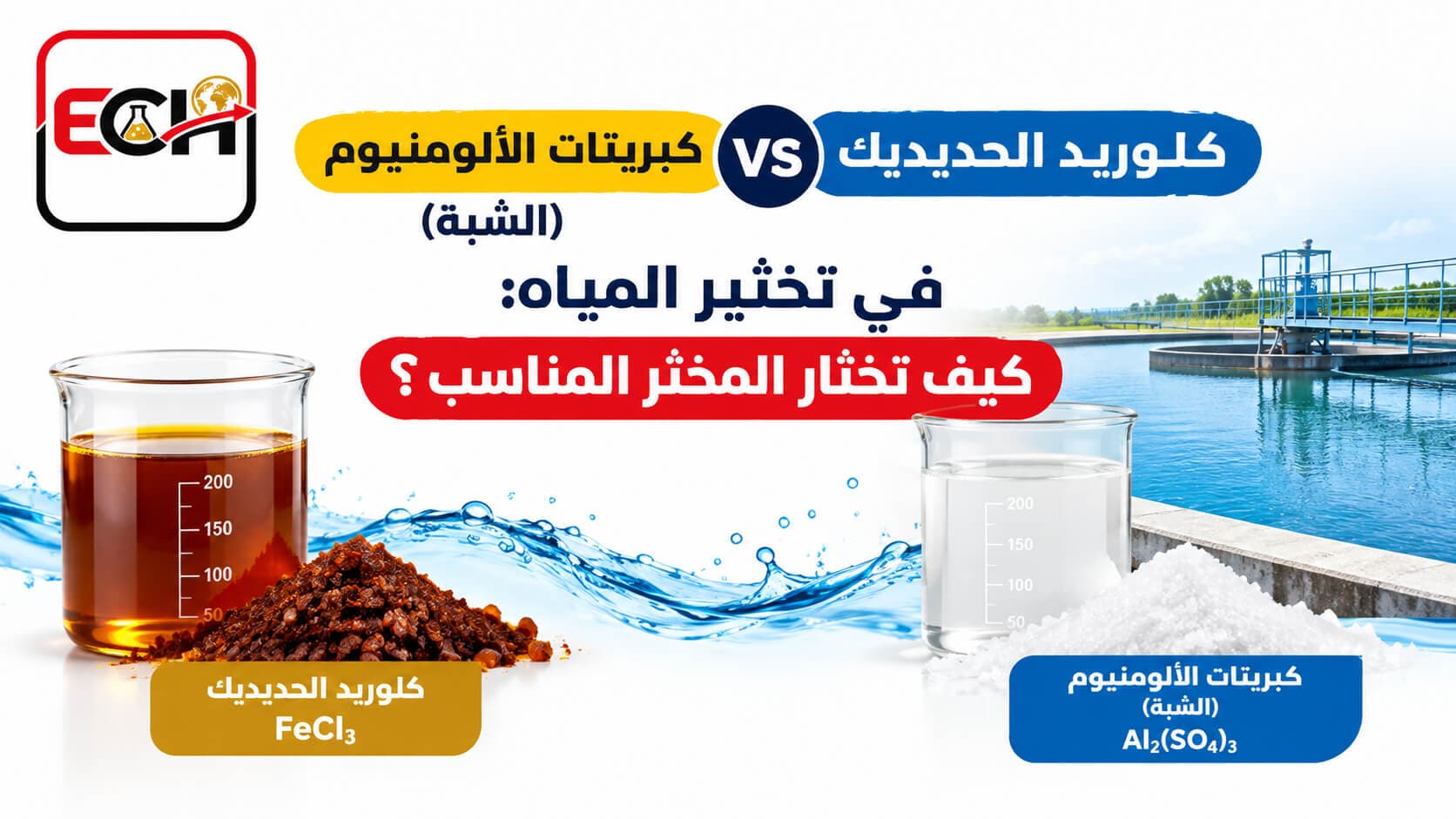
Iron(III) Chloride vs. Aluminum Sulfate (Alum) in Water Coagulation: How Do You Choose the Right Coagulant?
A comparative analysis of iron(III) chloride and aluminum sulfate (alum) in terms of pH range, alkali consumption, sludge production, corrosion, and operational requirements. Helps water plant operators and buyers make an informed selection decision before conducting a field test.
Water Treatment · October 6, 2026
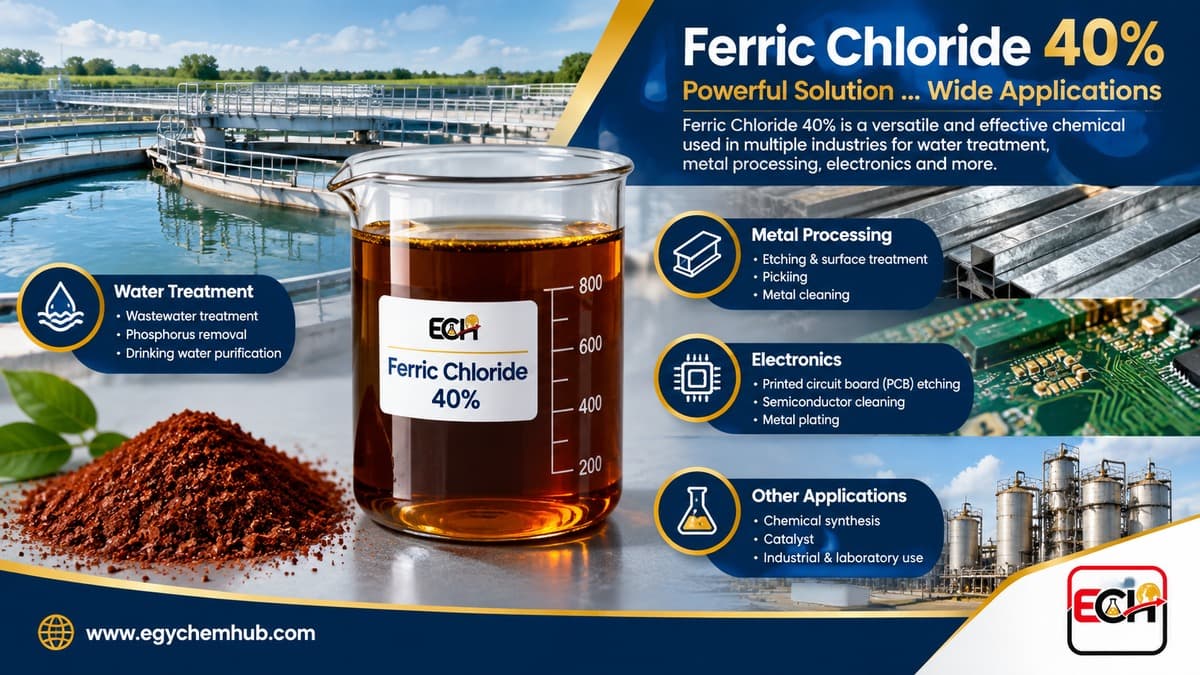
Iron(III) Chloride 40%: Properties and Industrial and Environmental Uses
Iron(III) chloride 40% is one of the most important inorganic chemical compounds in the world; the water treatment sector alone accounts for more than 80% of global production. In this article, we review its chemical properties, its most significant industrial and environmental uses, recommended dosages, and safety, storage, and transportation considerations.