Storage Conditions
Keep container tightly closed in a cool, dry and well-ventilated area. Keep/store only in the original container. Do not store together with metals, alkalis or reducing agents.

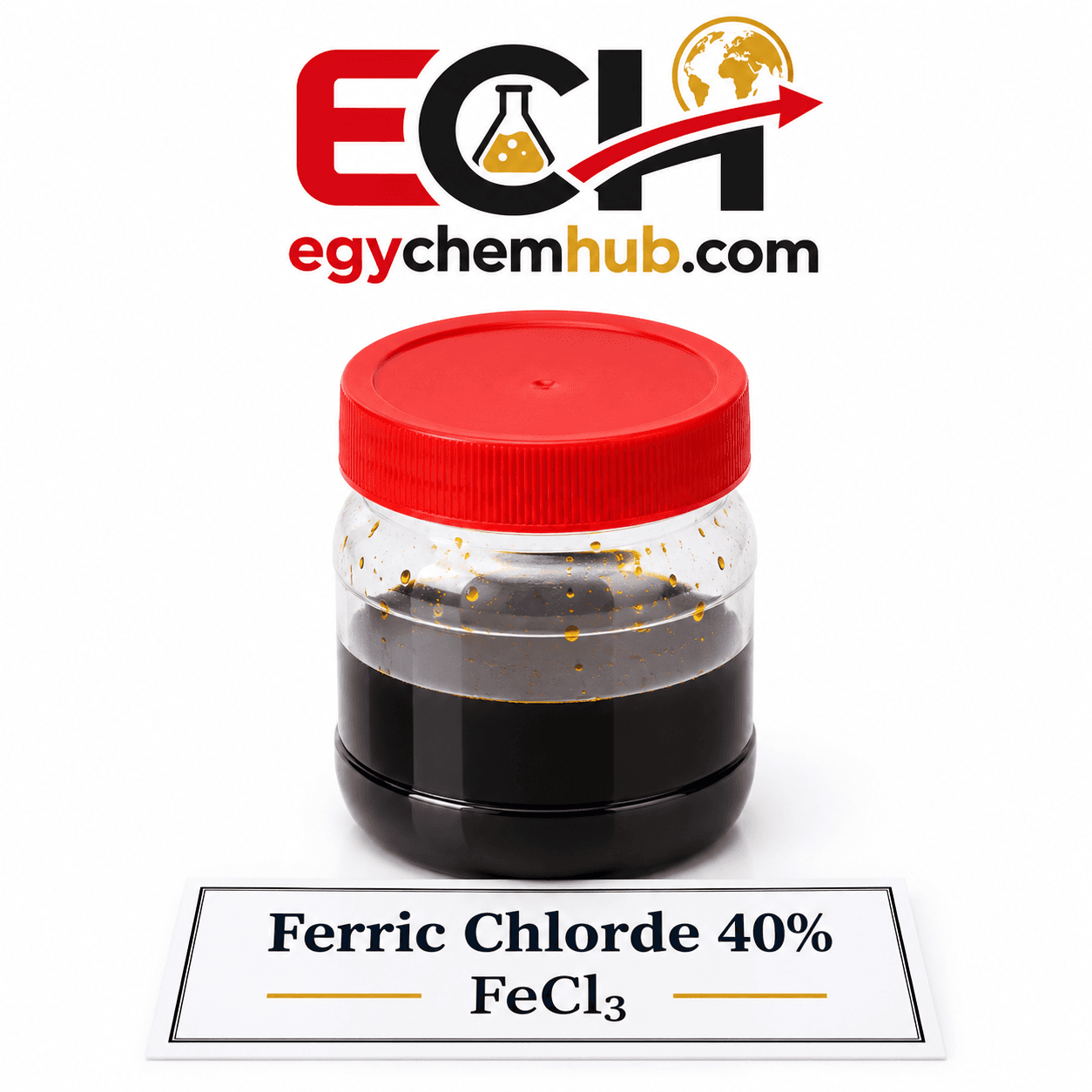
Ferric Chloride 40% Aqueous Solution
A reddish brown, highly acidic, and corrosive aqueous solution containing 40% iron(III) chloride. It functions as a premium inorganic coagulant and an industrial chemical etchant.
PRODUCT INFORMATION
Keep container tightly closed in a cool, dry and well-ventilated area. Keep/store only in the original container. Do not store together with metals, alkalis or reducing agents.
12 Months
• Available as a 40% concentrated liquid solution in Technical and Water Treatment grades, certified for industrial wastewater purification and chemical manufacturing processes.
TECHNICAL DOCUMENT CENTER
Download preview copies of core documents. Batch-specific legal documents are sent after order confirmation.
ISO9001:2015
TUVNORD
ISO 14001:2015
TUVNORD
ISO 45001:2018
TUVNORD
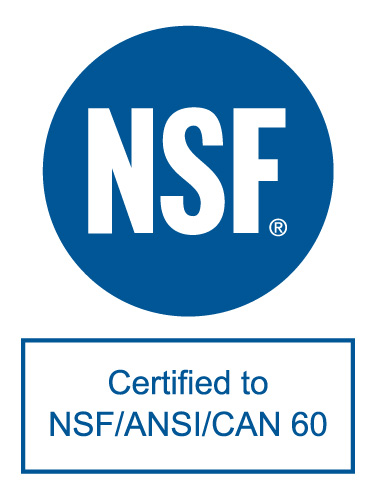
NSF
NSF International
Manufactured at a facility listed by NSF International to NSF/ANSI/CAN 60 - Ferric Chloride for drinking water treatment (coagulation & flocculation)
Technical Data Sheet (TDS)
Safety Data Sheet (SDS)
SAFETY & HANDLING
Signal word: Danger H290 May be corrosive to metals. H302 Harmful if swallowed. H314 Causes severe skin burns and eye damage. H318 Causes serious eye damage. P234 Keep only in original container. P260 Do not breathe mist/vapours/spray. P264 Wash hands thoroughly after handling. P280 Wear protective gloves/protective clothing/eye protection/face protection. P405 Store locked up. P406 Store in a corrosion resistant container with a resistant inner liner. P501 Dispose of contents/container in accordance with local regulation.
P304+P340 IF INHALED: Remove casualty to fresh air and keep comfortable for breathing. In case of breathing difficulties, consult a physician immediately.
P303+P361+P353 IF ON SKIN (or hair): Remove/Take off immediately all contaminated clothing. Rinse skin with water/shower. P363 Wash contaminated clothing before reuse.
P305+P351+P338 IF IN EYES: Rinse cautiously with water for several minutes. Remove contact lenses, if present and easy to do. Continue rinsing and seek medical advice.
P301+P330+P331 IF SWALLOWED: Rinse mouth. Do NOT induce vomiting. Let water be swallowed in little sips and get medical attention immediately. P301+P312 Call a POISON CENTER or doctor if you feel unwell.
Provide adequate ventilation and wear personal protection equipment; spilled product is a slip hazard. Do not empty into drains or the aquatic environment. Absorb with liquid-binding material (e.g. sand, diatomaceous earth, acid binders) and dispose of according to official regulations.
Water is a suitable extinguishing medium (select media according to the surrounding area); do not use a high-power water jet. Hazardous decomposition product: hydrochloric acid (HCl). Do not breathe fumes.
REQUEST A QUOTE
Send the required quantity and grade, and the ECH team will prepare pricing, packaging, and lead-time details.

The article explains the chemistry of dissolving copper with iron(III) chloride in etching printed circuit boards, and what controls the etching speed and undercut. It then shows how the solution becomes exhausted, the options for recovering copper and regenerating the solution, and the general framework for disposal and safety precautions.
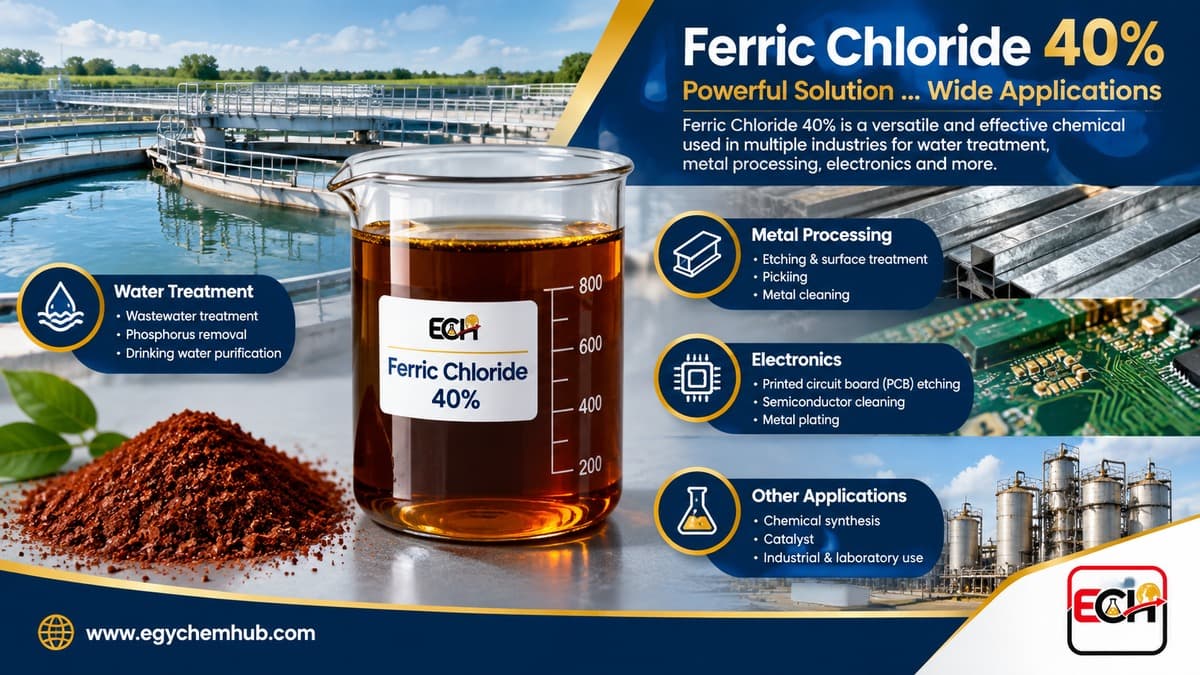
Iron(III) chloride 40% is one of the most important inorganic chemical compounds in the world; the water treatment sector alone accounts for more than 80% of global production. In this article, we review its chemical properties, its most significant industrial and environmental uses, recommended dosages, and safety, storage, and transportation considerations.
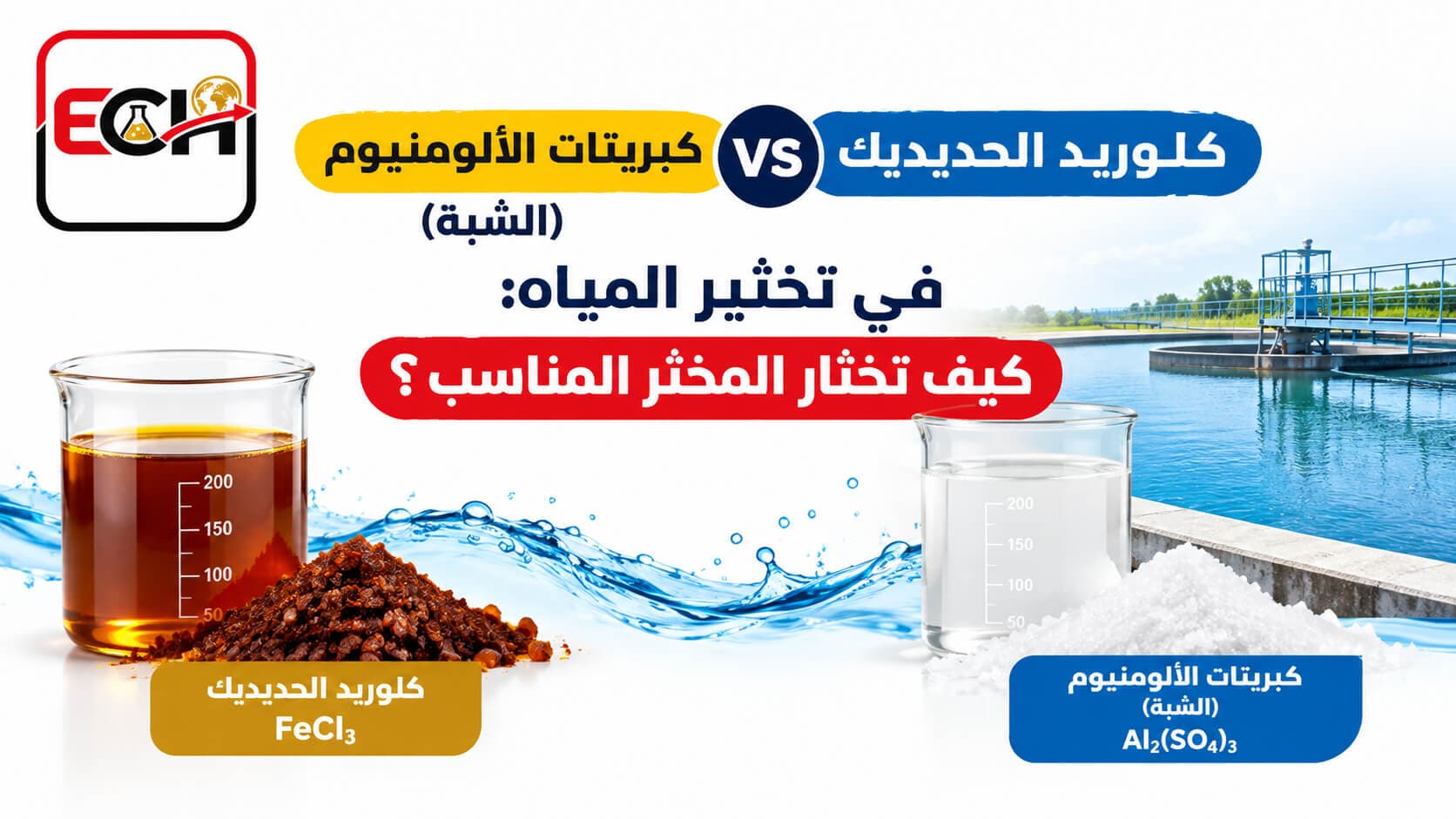
A comparative analysis of iron(III) chloride and aluminum sulfate (alum) in terms of pH range, alkali consumption, sludge production, corrosion, and operational requirements. Helps water plant operators and buyers make an informed selection decision before the jar test.
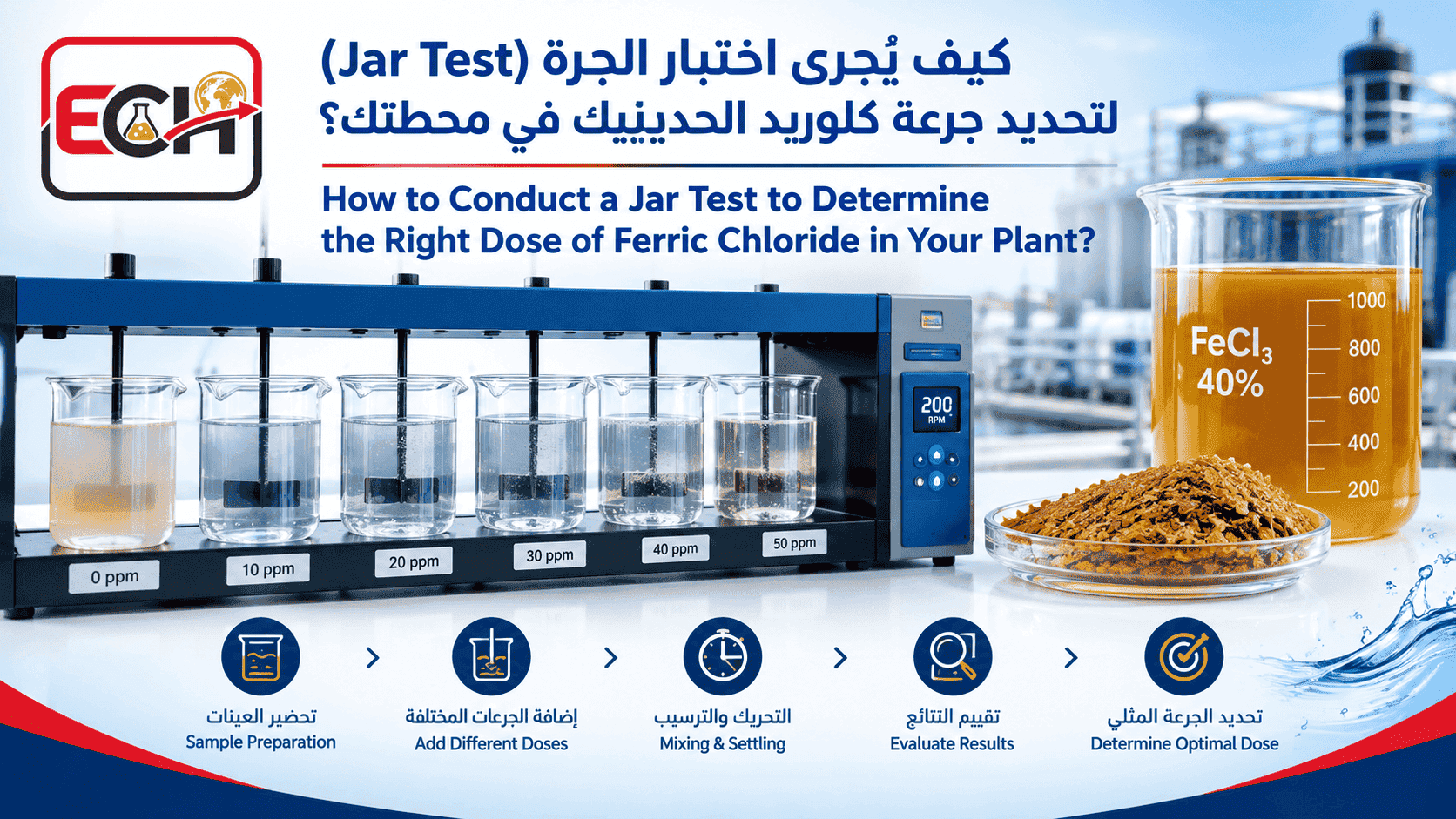
A practical, step-by-step guide to running a jar test on your plant's water: preparing the stock solution, designing the dose series, mixing and settling conditions, what is measured, and how the results are read. It ends with cautions on moving from the laboratory to actual operation.
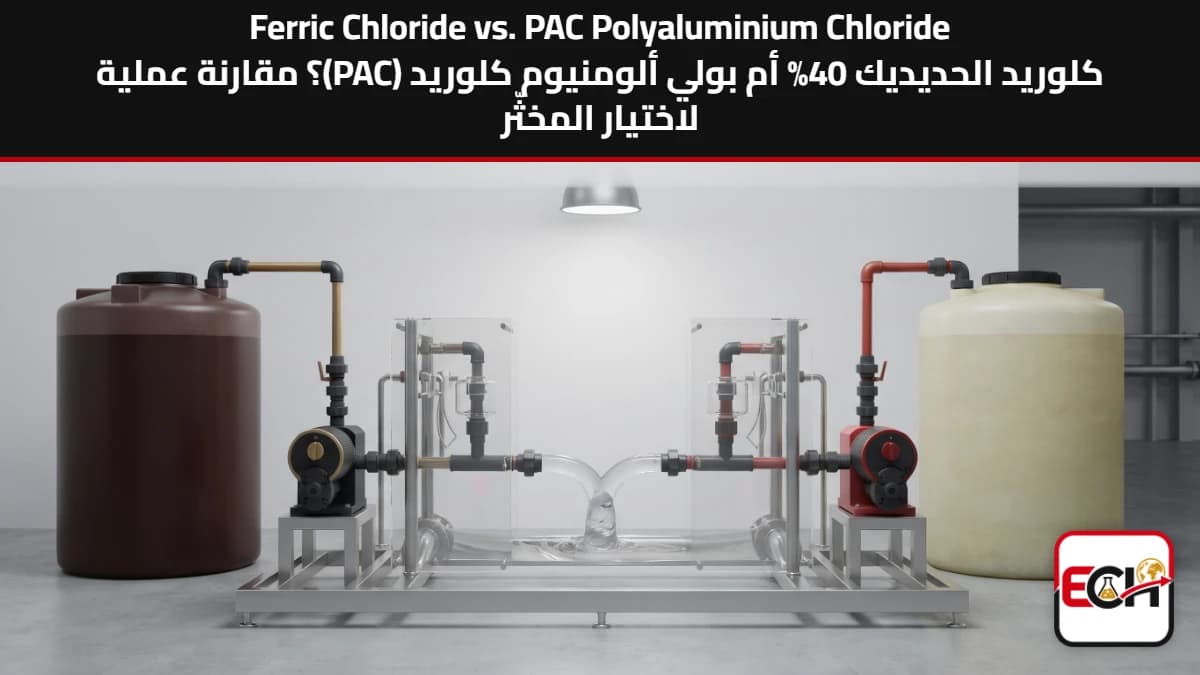
A balanced comparison of 40% iron(III) chloride solution and polyaluminum chloride (PAC 18%) on pH, alkalinity, temperature, residual metal, sulfide and handling. It shows when the choice leans towards each, and why the jar test remains the deciding factor.
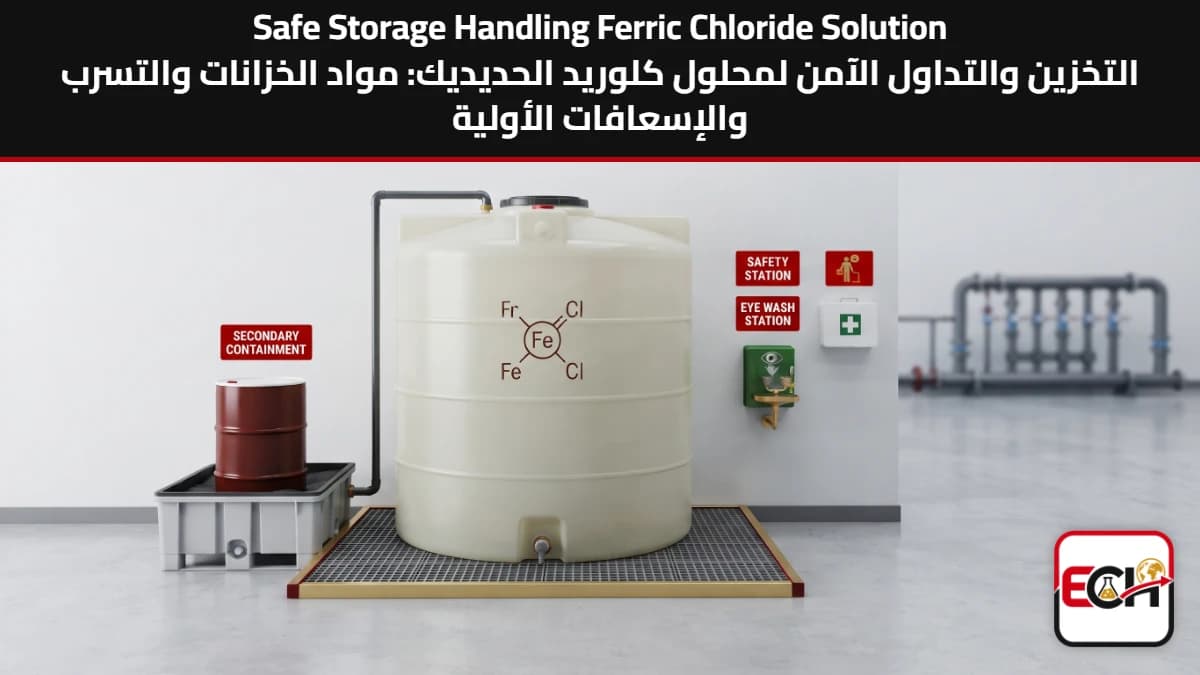
A practical guide for safety officers, plant operators, and purchasers on the hazards of 40% ferric chloride solution and how to store and transport it safely. It covers protective equipment, tank and piping materials, incompatible substances, leaks, first aid, and transportation classification.
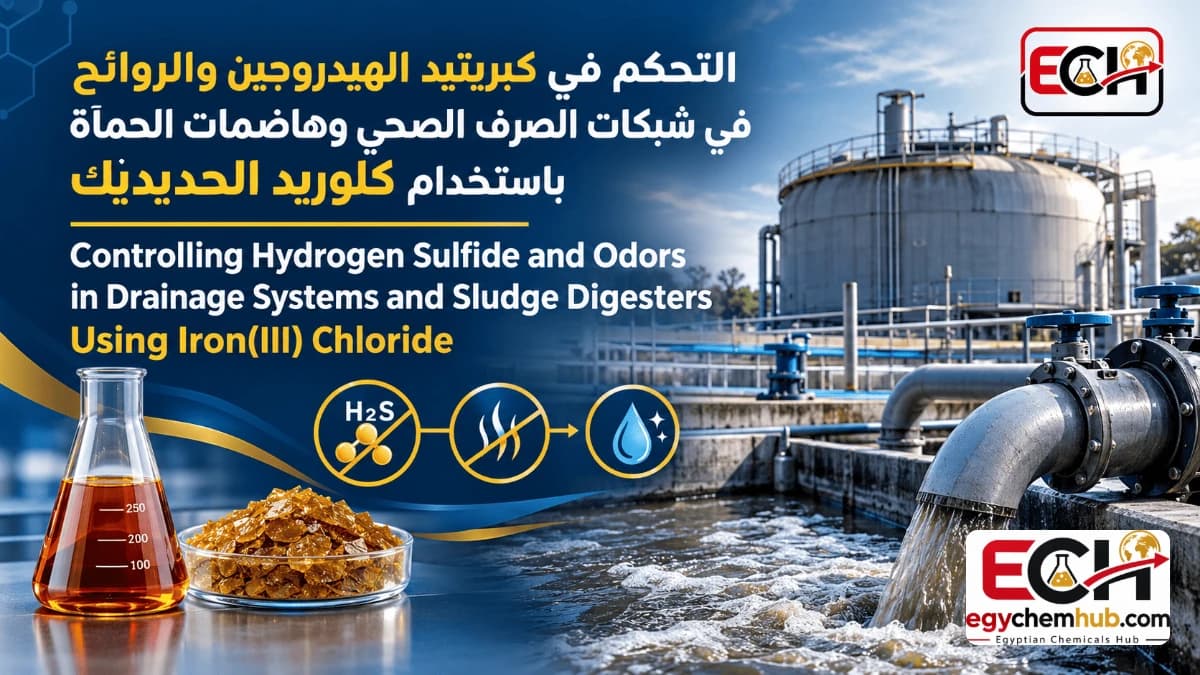
The article explains how hydrogen sulfide forms in sewer networks and sludge digesters, and how iron(III) chloride binds it as elemental sulfur and insoluble iron sulfide. It covers common dosing points, accompanying benefits, side effects and safety precautions, and how plants set the dose through measurement and field trials.
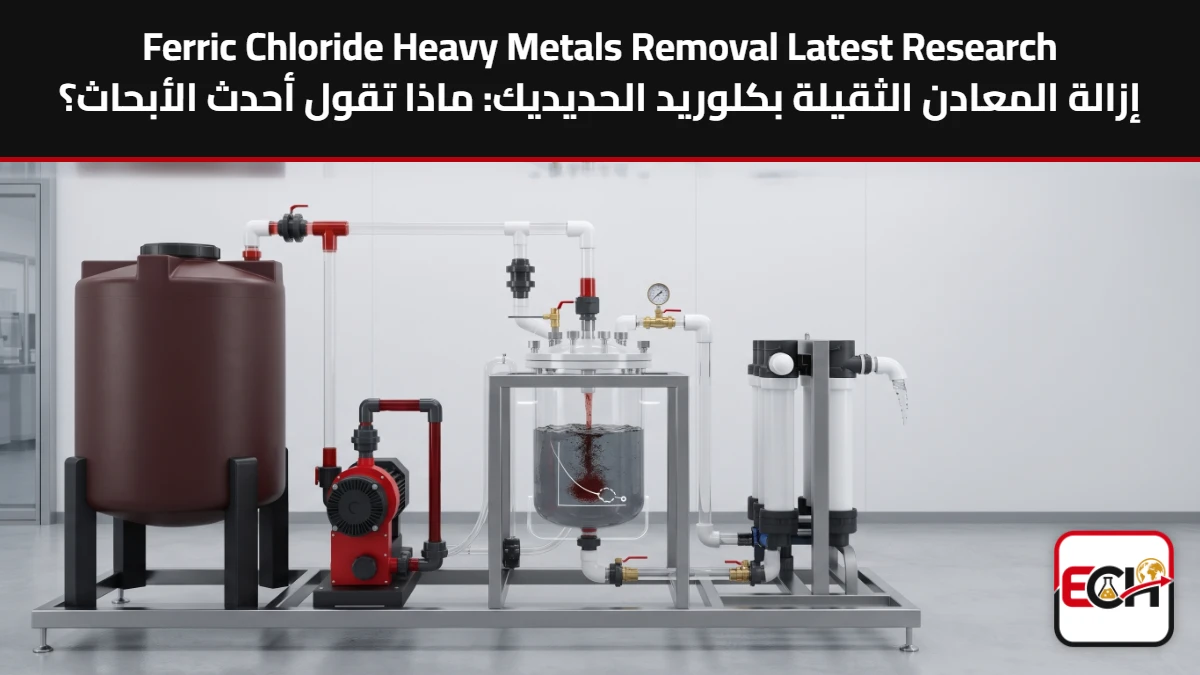
This article reviews research published between 2023 and 2026 on the removal of heavy metals using iron(III) chloride, and outlines the mechanism, pH ranges, and dosages reported in the studies. It also discusses practical limitations—ranging from competing ions and sludge to residual iron—and briefly compares this method with alum and lime.
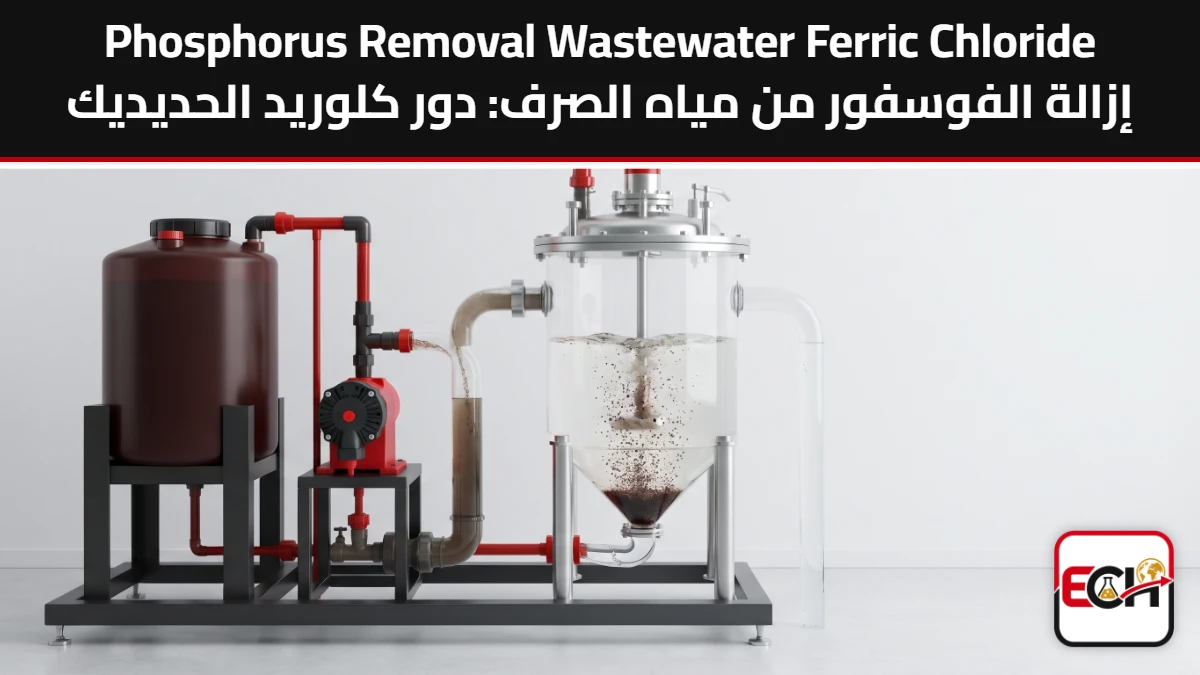
The article explains why legislation sets limits on phosphorus in wastewater, how ferric chloride chemically removes it, where it is added in the treatment plant, and how to interpret the iron-to-phosphorus ratio. It also illustrates the effect of this addition on alkalinity, pH, and sludge, and briefly compares it to biological removal.