Articles
In-depth reads on chemicals, industries, and export markets from the Egyptian Chemicals Hub team.
Water treatment · October 24, 2026
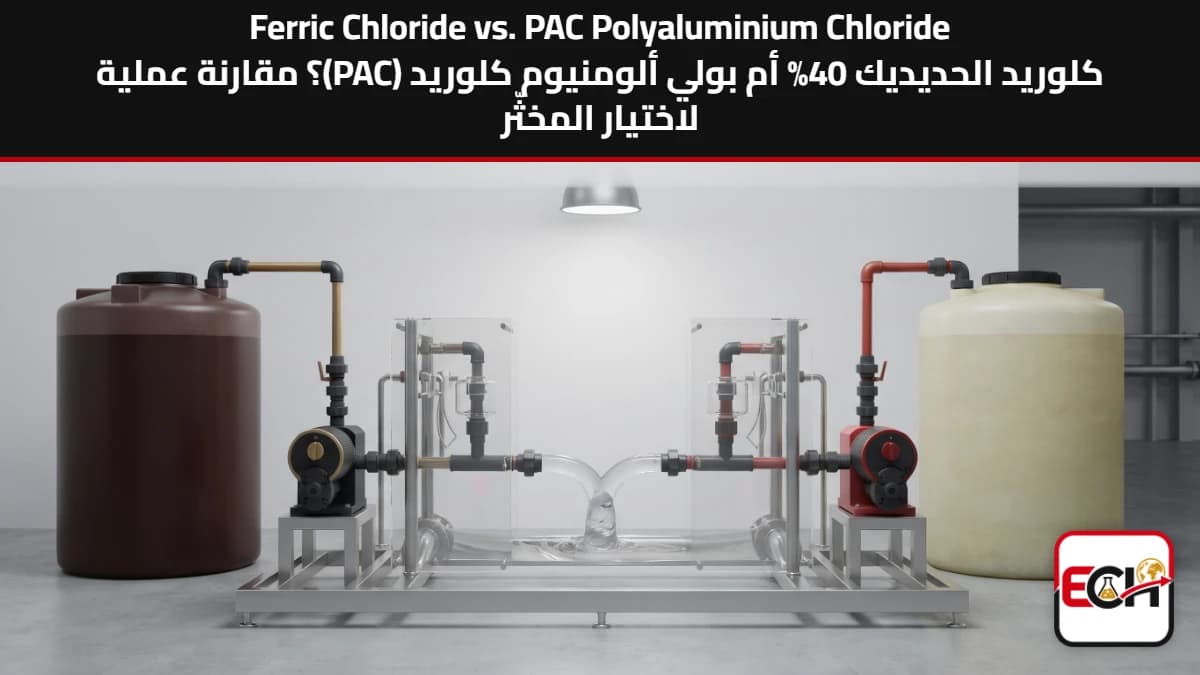
Iron(III) chloride 40% or polyaluminum chloride (PAC)? A practical comparison for choosing a coagulant
A balanced comparison of 40% iron(III) chloride solution and polyaluminum chloride (PAC 18%) on pH, alkalinity, temperature, residual metal, sulfide and handling. It shows when the choice leans towards each, and why the jar test remains the deciding factor.
Water treatment · October 20, 2026
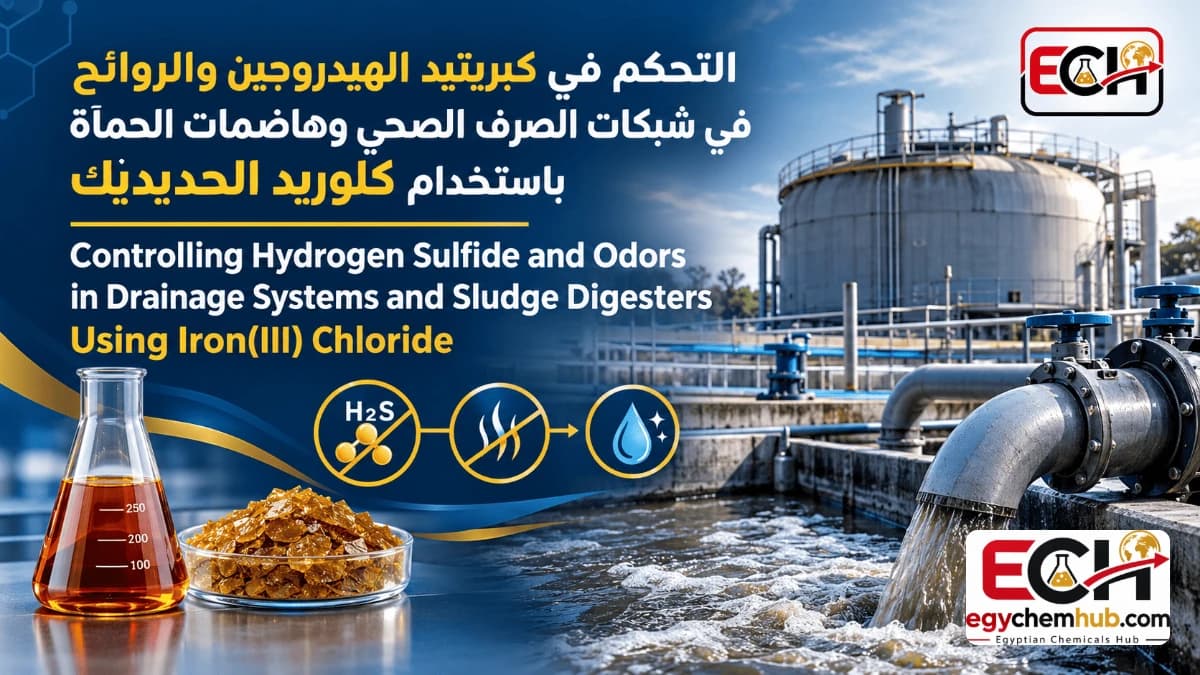
Controlling hydrogen sulfide and odors in sewer networks and sludge digesters with iron(III) chloride
The article explains how hydrogen sulfide forms in sewer networks and sludge digesters, and how iron(III) chloride binds it as elemental sulfur and insoluble iron sulfide. It covers common dosing points, accompanying benefits, side effects and safety precautions, and how plants set the dose through measurement and field trials.
Water Treatment · October 20, 2026
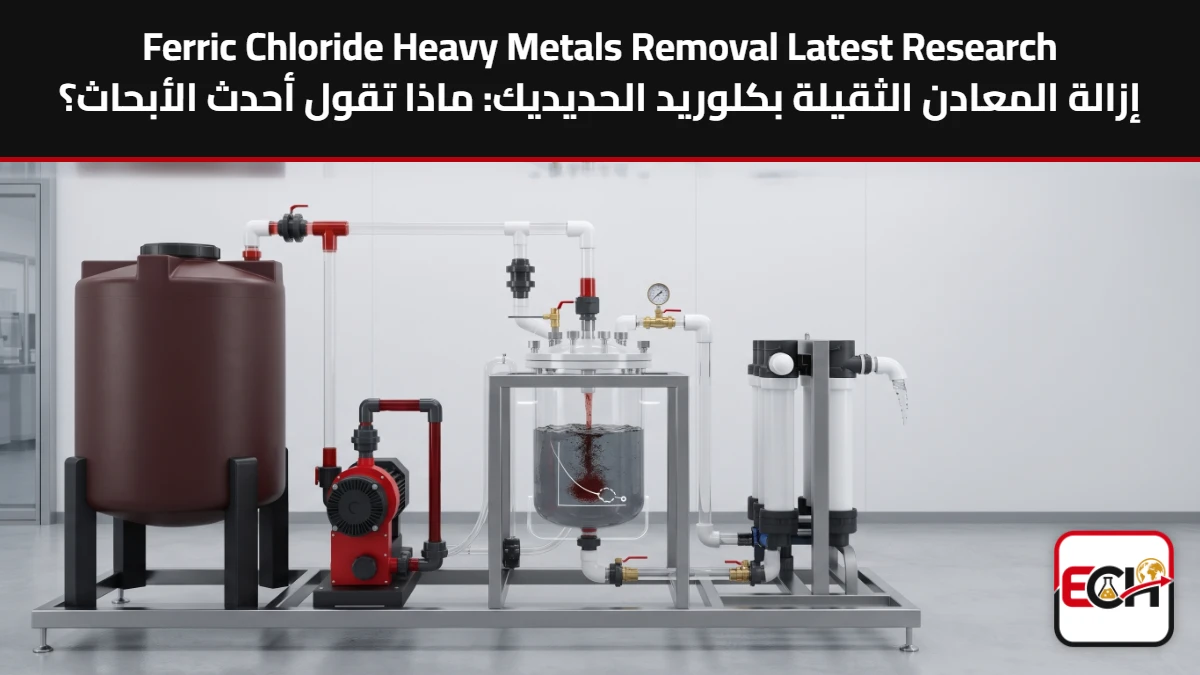
Removing Heavy Metals with Iron(III) Chloride: What Does the Latest Research Say?
This article reviews research published between 2023 and 2026 on the removal of heavy metals using iron(III) chloride, and outlines the mechanism, pH ranges, and dosages reported in the studies. It also discusses practical limitations—ranging from competing ions and sludge to residual iron—and briefly compares this method with alum and lime.
Water Treatment · October 11, 2026
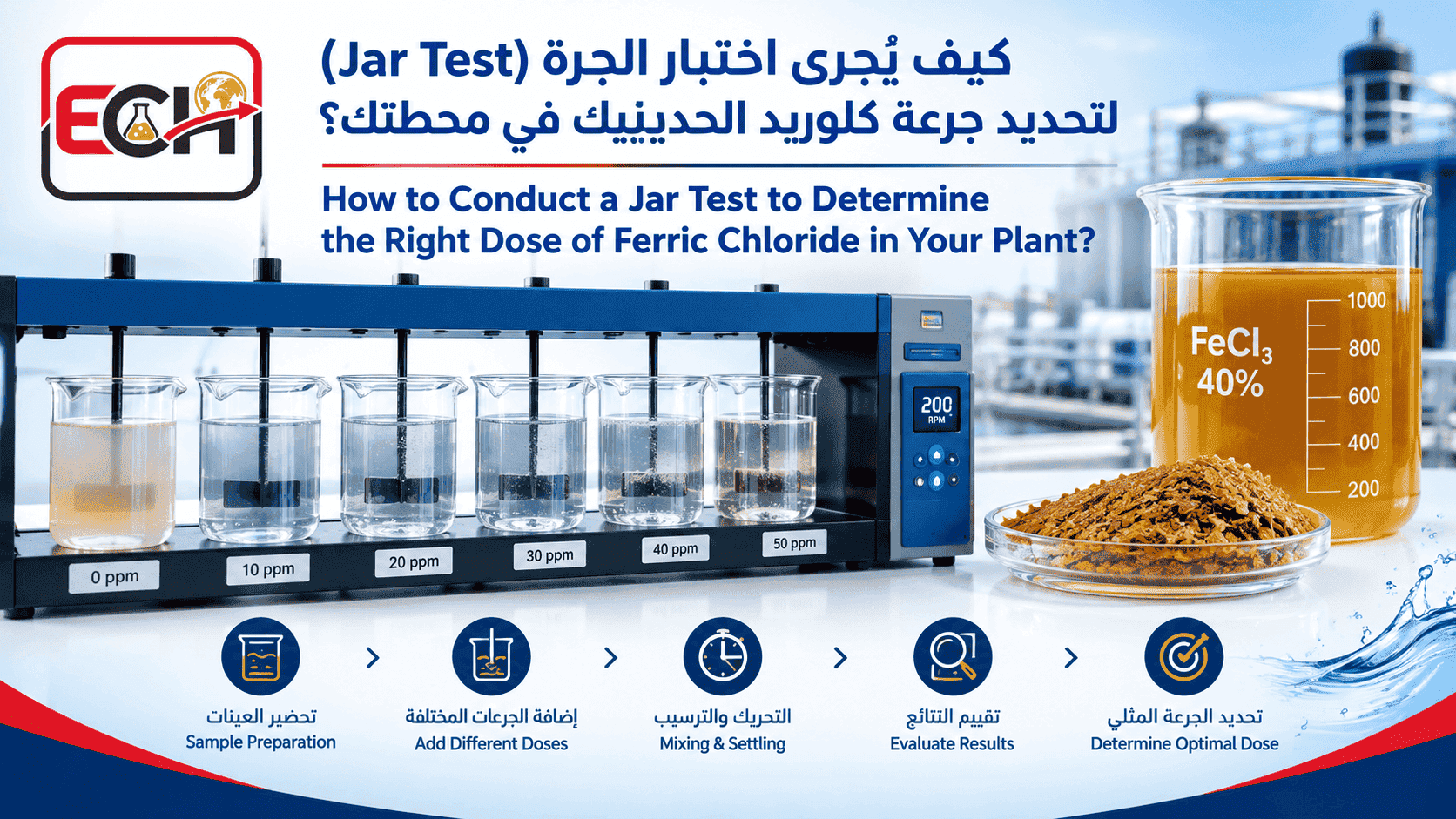
How is the jar test conducted to determine the iron(III) chloride dosage at your plant?
A practical, step-by-step guide to running a jar test on your plant's water: preparing the stock solution, designing the dose series, mixing and settling conditions, what is measured, and how the results are read. It ends with cautions on moving from the laboratory to actual operation.
Water Treatment · October 11, 2026
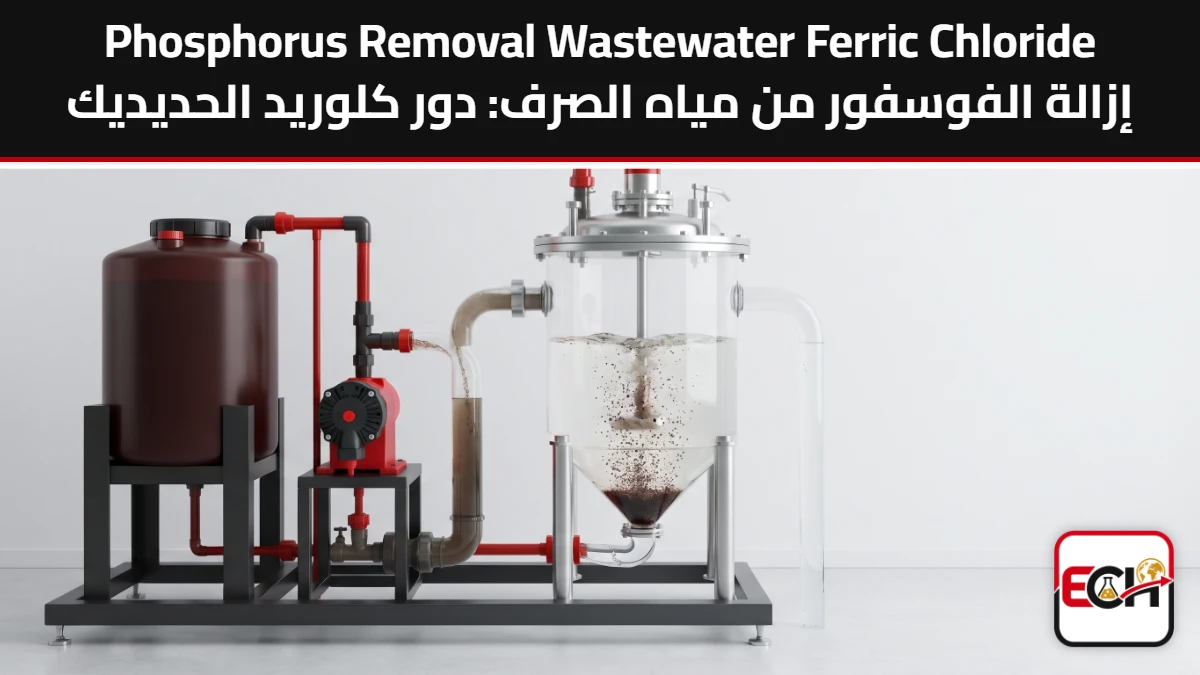
Phosphorus Removal from Wastewater: The Role of Iron(III) Chloride
The article explains why legislation sets limits on phosphorus in wastewater, how ferric chloride chemically removes it, where it is added in the treatment plant, and how to interpret the iron-to-phosphorus ratio. It also illustrates the effect of this addition on alkalinity, pH, and sludge, and briefly compares it to biological removal.
Electronics · October 11, 2026
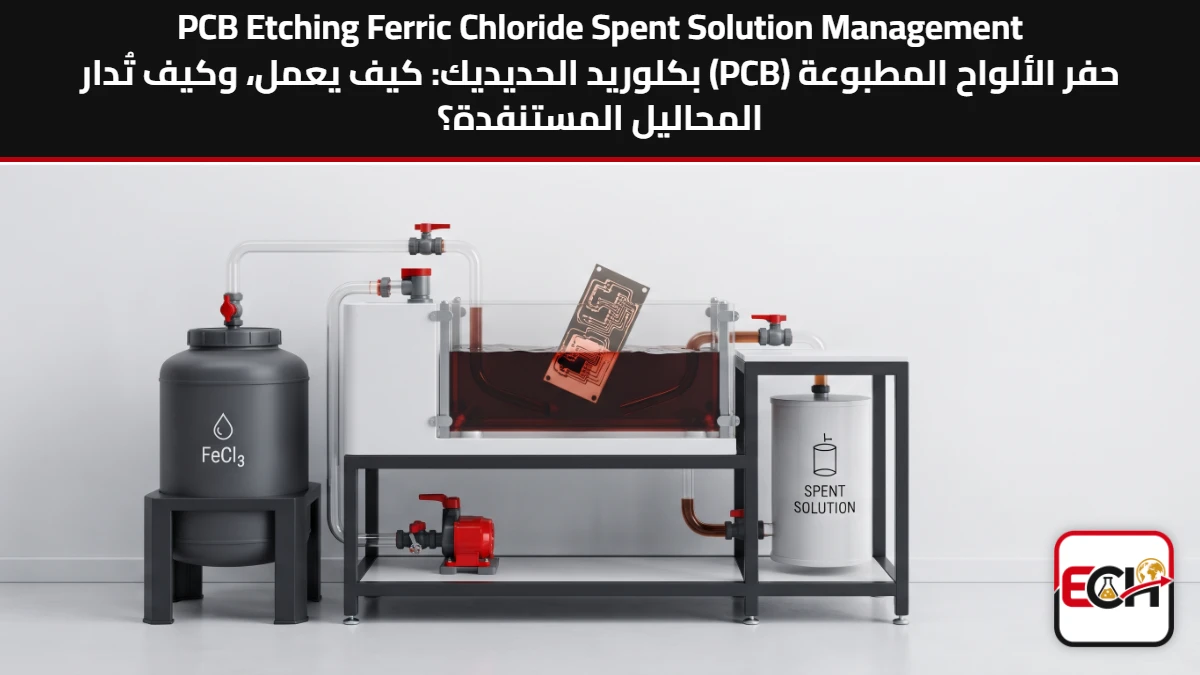
Etching Printed Circuit Boards (PCBs) with Iron(III) Chloride: How Does It Work, and How Are Spent Solutions Managed?
The article explains the chemistry of dissolving copper with iron(III) chloride in etching printed circuit boards, and what controls the etching speed and undercut. It then shows how the solution becomes exhausted, the options for recovering copper and regenerating the solution, and the general framework for disposal and safety precautions.
Water Treatment · October 10, 2026
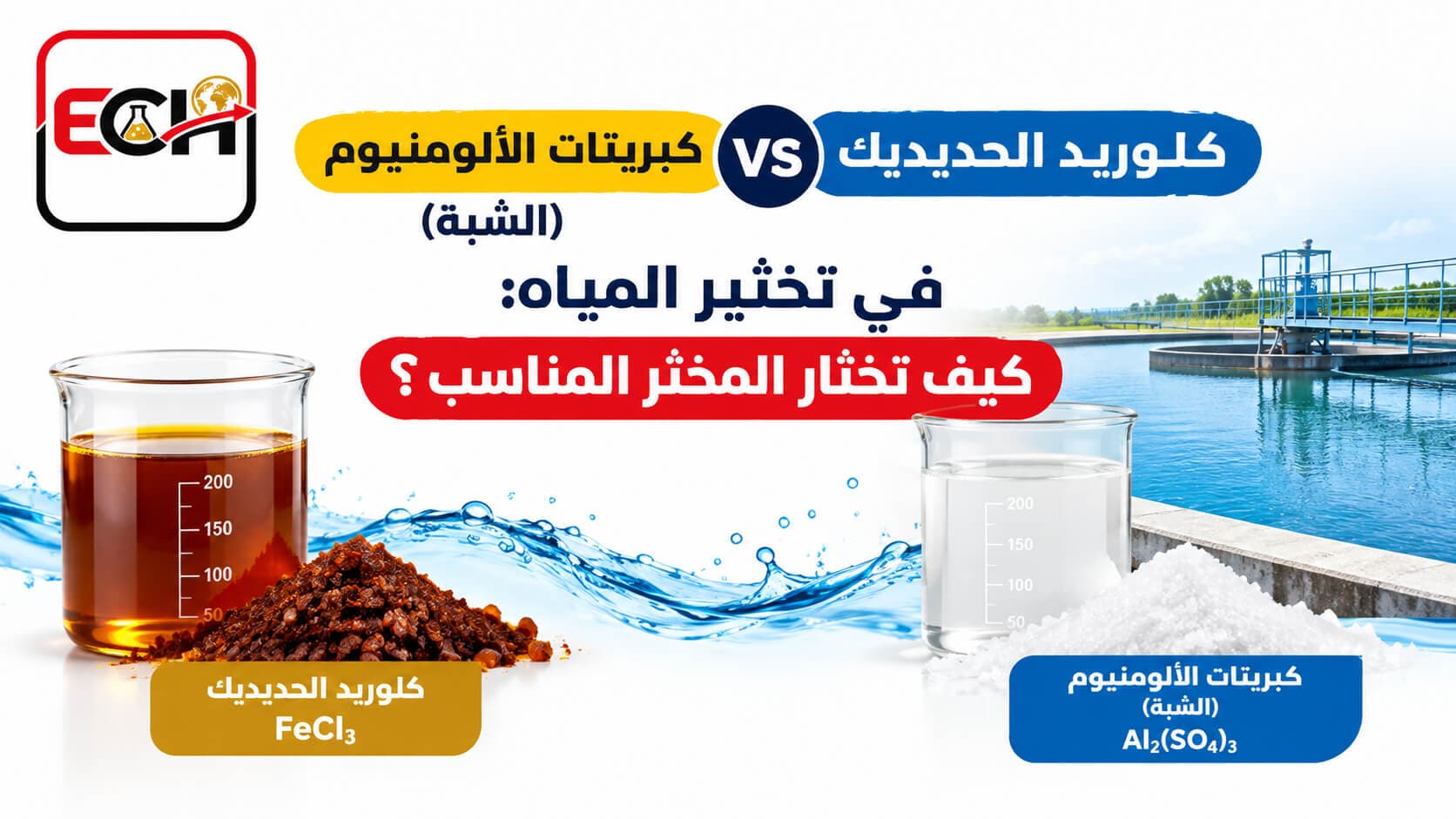
Iron(III) Chloride vs. Aluminum Sulfate (Alum) in Water Coagulation: How Do You Choose the Right Coagulant?
A comparative analysis of iron(III) chloride and aluminum sulfate (alum) in terms of pH range, alkali consumption, sludge production, corrosion, and operational requirements. Helps water plant operators and buyers make an informed selection decision before the jar test.
Water Treatment · October 6, 2026
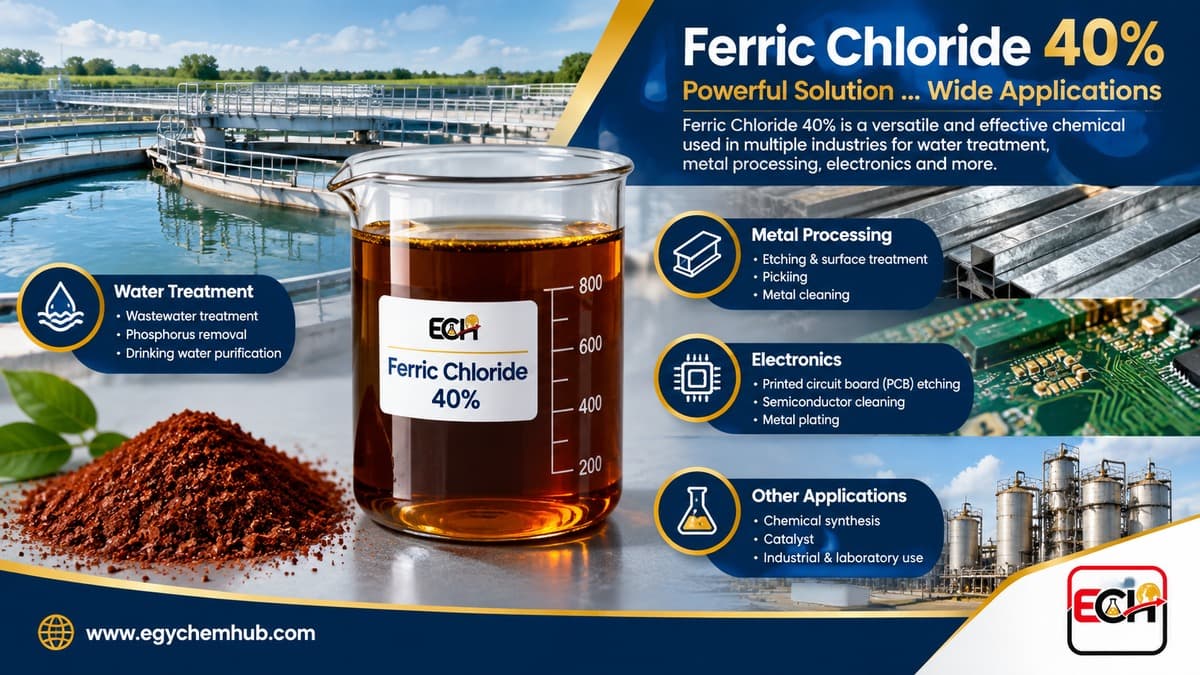
Iron(III) Chloride 40%: Properties and Industrial and Environmental Uses
Iron(III) chloride 40% is one of the most important inorganic chemical compounds in the world; the water treatment sector alone accounts for more than 80% of global production. In this article, we review its chemical properties, its most significant industrial and environmental uses, recommended dosages, and safety, storage, and transportation considerations.